
What are the uses of metal keel?
2024-05-28
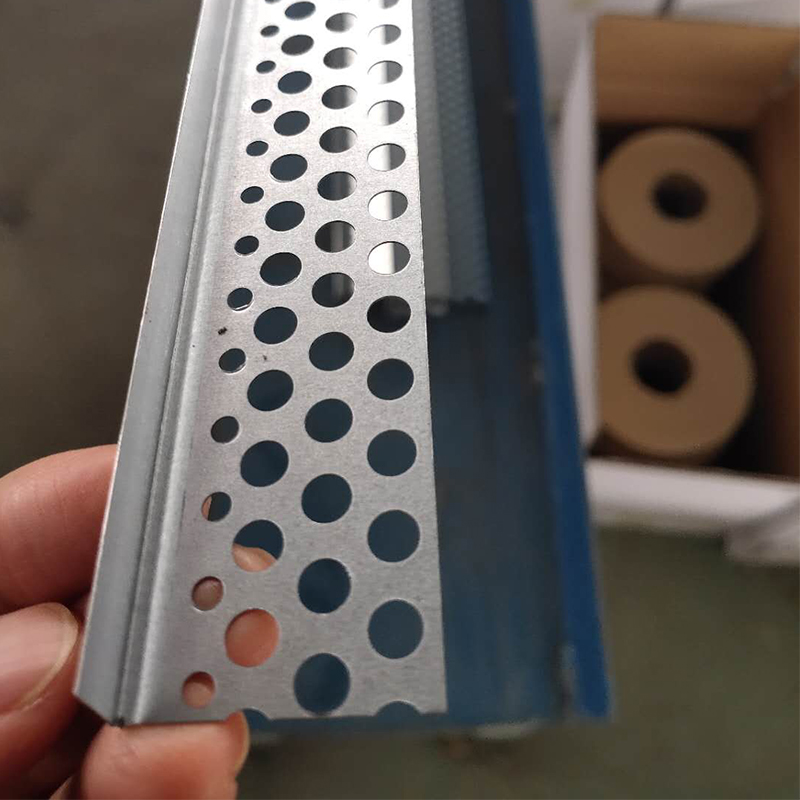
Metal keel, as an important building material, plays an irreplaceable role in the construction industry. Its main function is to support the shape, fix the structure, and provide a stable metal framework for the building. Metal keel has a wide range of applications, involving multiple construction fields. The following will provide a detailed introduction to its main application scenarios.
Firstly, metal keel has a wide range of applications in ceiling decoration. As an important component of indoor space, the aesthetics and functionality of suspended ceilings are crucial. The metal keel, as the supporting structure of the ceiling, can ensure the stability and safety of the ceiling. At the same time, the metal keel ceiling can also achieve various shapes according to different design styles, adding beauty to the indoor space. For example, in irregular suspended ceilings, metal keel can easily cope with complex design requirements, integrating the ceiling with the indoor environment and improving the overall decoration effect.
Secondly, metal keel also plays an important role in the production of building curtain walls. As the exterior wall decoration of modern buildings, curtain walls not only require aesthetics, but also need to have good functions such as thermal insulation, insulation, and waterproofing. The metal keel, as the supporting structure of the curtain wall, can ensure the stability and safety of the curtain wall. At the same time, metal keel also has advantages such as lightweight, non deformation, and long service life, which can meet the long-term use needs of curtain walls.
In addition, metal keel is widely used in the construction of sunrooms. As a transitional space connecting indoor and outdoor spaces, a sunroom needs to have good lighting and ventilation performance. The metal keel, as the supporting structure of the sunroom, can ensure the stability and safety of the sunroom. At the same time, the metal keel can also achieve various shapes according to design requirements, making the sunroom a beautiful landscape in the indoor space.
In addition to the main application scenarios mentioned above, metal keel can also be used in various aspects such as indoor partitions and wall decoration. In terms of indoor partitions, metal keel can flexibly adjust the position and height of partitions according to needs, achieving flexible division of space. In terms of wall decoration, metal keel can serve as a supporting structure for wall decoration materials, making wall decoration more stable and beautiful.
It should be noted that the selection and use of metal keels need to be based on specific architectural design and construction requirements. When selecting metal keel, factors such as material, specifications, and strength need to be considered to ensure that it can meet the load-bearing and safety requirements of the building. Meanwhile, during the construction process, it is necessary to strictly follow the construction specifications to ensure the installation quality and stability of the metal keel.
In short, metal keel, as an important building material, has a wide range of applications in various aspects such as ceiling decoration, curtain wall production, and sunlight house construction. With the continuous development of modern construction technology, the application of metal keel will also continue to expand and innovate, injecting new vitality into the development of the construction industry.
What are the dimensions of light steel keel ceiling?
What are the advantages of light steel keel partition walls reflected in?
Related Article

Ceiling wall angle, also known as perimeter angle or L-angle, is an indispensable L-shaped metal profile for suspended drywall ceiling systems. Roll-formed from cold-rolled galvanized steel, ceiling wall angle is fixed along the wall perimeter to support the ends of main channels and furring channels,
Ceiling Wall Angle – Galvanized L-Shaped Perimeter Trim for Suspended Drywall Ceilings
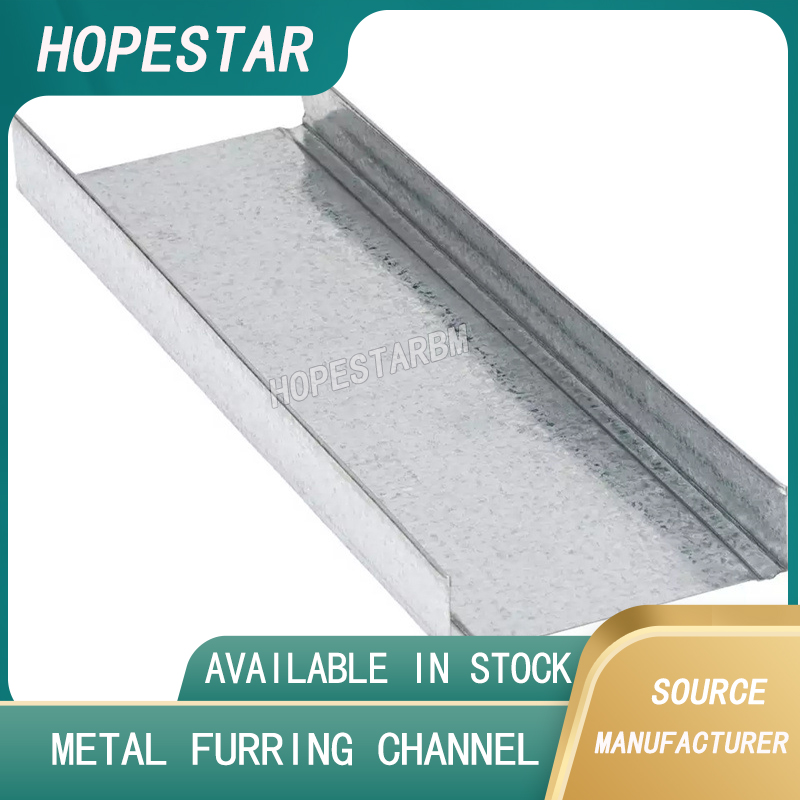
Galvanized steel profiles are the foundational metal framing components widely used in modern interior construction. Roll-formed from cold-rolled steel coated with protective zinc layer, galvanized steel profiles cover a full range of shapes including C studs, U tracks, omega channels,
Galvanized Steel Profiles – Reliable Cold Rolled Framing for Drywall Walls and Ceilings

Metal furring channel for ceiling is a vital secondary framing component widely used in suspended ceiling and drywall ceiling systems. Roll-formed from cold-rolled galvanized steel, this lightweight metal profile works together with main channels, hangers and wall angles to create a level,
Metal Furring Channel for Ceiling – Galvanized Secondary Framing for Suspended Drywall Ceilings

Metal omega channel, also widely called omega furring channel or hat channel, is an indispensable secondary metal framing profile for modern suspended ceilings and drywall wall furring systems. Named after its distinctive Ω shape, this profile is roll-formed from cold-rolled galvanized steel
Metal Omega Channel – Galvanized Omega Furring Channel for Drywall Ceiling and Wall Framing