
Ceiling material competition: light steel keel vs. wood keel, did you choose the right one?
2024-05-21
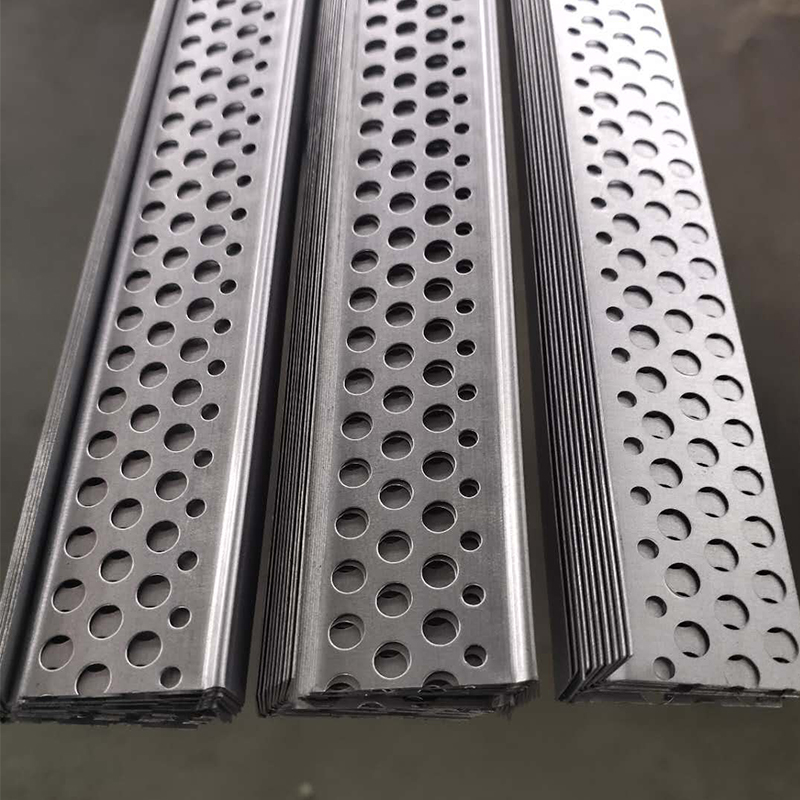
In modern home decoration, the suspended ceiling, as an important component of indoor space, not only has decorative effects, but also carries practical functions such as sound insulation and heat insulation. In the construction of suspended ceilings, the keel plays a crucial role as a supporting system. Among them, light steel keel and wood keel, as two common ceiling keel materials, each have unique characteristics and advantages. This article will delve into the differences and characteristics between light steel keel and wooden keel in room ceiling, helping readers better choose the suitable ceiling material for themselves.
1、 The characteristics and advantages of light steel keel
Light steel keel, as the name suggests, is a ceiling keel made mainly of steel. It has occupied a place in the decoration market with its unique advantages.
Firstly, light steel keel has excellent strength and stability. The tensile strength and compressive strength of steel are both high, allowing the light steel keel to withstand greater weight and pressure, and not easily deform. In addition, the light steel keel has undergone rust prevention treatment and has good corrosion resistance, which can maintain stability for a long time in humid environments.
Secondly, the construction of light steel keel is convenient and fast. Due to its lightweight material, easy cutting and installation, it greatly improves construction efficiency. At the same time, the connection between the light steel keel and the ceiling panel is firm and reliable, which can ensure the flatness and aesthetics of the ceiling.
However, light steel keel also has certain limitations. Due to its steel material and good thermal conductivity, it may be slightly inferior to wooden keel in terms of insulation and heat preservation. In addition, the price of light steel keel is relatively high, which may not be very friendly for decoration projects with limited budgets.
2、 The characteristics and advantages of wooden keel
Wooden keel is a ceiling keel made mainly of wood, which has a unique texture and decorative effect.
Firstly, wooden keel has good thermal insulation performance. The thermal conductivity of wood is relatively low, which can effectively reduce heat transfer and improve indoor comfort. In addition, the wooden keel also has a certain sound absorption effect, which helps to reduce indoor noise.
Secondly, the price of wooden keel is relatively affordable. Compared to light steel keel, wooden keel has a lower cost and is suitable for decoration projects with limited budgets. At the same time, wood has strong plasticity and can be bent and shaped according to needs, meeting the needs of various ceiling shapes.
However, wooden keel also has some shortcomings. Due to the susceptibility of wood to moisture and insect infestation, wooden joists need to pay special attention to moisture and insect prevention during installation and use. In addition, the strength and stability of wooden keel are relatively poor, and it may be difficult to support heavy ceiling panels.
3、 Comparison and selection of light steel keel and wooden keel
In summary, light steel keel and wooden keel each have their own unique characteristics and advantages. When choosing the ceiling keel, it is necessary to weigh the actual needs and decoration budget. For projects that pursue strength and stability, light steel keel is undoubtedly a better choice; For projects that focus on thermal insulation and have limited budgets, wooden keel has more advantages. In practical applications, it is also possible to consider combining the two to fully leverage their respective advantages and achieve the best decoration effect.
1、 The characteristics and advantages of light steel keel
Light steel keel, as the name suggests, is a ceiling keel made mainly of steel. It has occupied a place in the decoration market with its unique advantages.
Firstly, light steel keel has excellent strength and stability. The tensile strength and compressive strength of steel are both high, allowing the light steel keel to withstand greater weight and pressure, and not easily deform. In addition, the light steel keel has undergone rust prevention treatment and has good corrosion resistance, which can maintain stability for a long time in humid environments.
Secondly, the construction of light steel keel is convenient and fast. Due to its lightweight material, easy cutting and installation, it greatly improves construction efficiency. At the same time, the connection between the light steel keel and the ceiling panel is firm and reliable, which can ensure the flatness and aesthetics of the ceiling.
However, light steel keel also has certain limitations. Due to its steel material and good thermal conductivity, it may be slightly inferior to wooden keel in terms of insulation and heat preservation. In addition, the price of light steel keel is relatively high, which may not be very friendly for decoration projects with limited budgets.
2、 The characteristics and advantages of wooden keel
Wooden keel is a ceiling keel made mainly of wood, which has a unique texture and decorative effect.
Firstly, wooden keel has good thermal insulation performance. The thermal conductivity of wood is relatively low, which can effectively reduce heat transfer and improve indoor comfort. In addition, the wooden keel also has a certain sound absorption effect, which helps to reduce indoor noise.
Secondly, the price of wooden keel is relatively affordable. Compared to light steel keel, wooden keel has a lower cost and is suitable for decoration projects with limited budgets. At the same time, wood has strong plasticity and can be bent and shaped according to needs, meeting the needs of various ceiling shapes.
However, wooden keel also has some shortcomings. Due to the susceptibility of wood to moisture and insect infestation, wooden joists need to pay special attention to moisture and insect prevention during installation and use. In addition, the strength and stability of wooden keel are relatively poor, and it may be difficult to support heavy ceiling panels.
3、 Comparison and selection of light steel keel and wooden keel
In summary, light steel keel and wooden keel each have their own unique characteristics and advantages. When choosing the ceiling keel, it is necessary to weigh the actual needs and decoration budget. For projects that pursue strength and stability, light steel keel is undoubtedly a better choice; For projects that focus on thermal insulation and have limited budgets, wooden keel has more advantages. In practical applications, it is also possible to consider combining the two to fully leverage their respective advantages and achieve the best decoration effect.
Where is light steel keel generally used?
What is the thickness standard for light steel keel
Related Article

Ceiling wall angle, also known as perimeter angle or L-angle, is an indispensable L-shaped metal profile for suspended drywall ceiling systems. Roll-formed from cold-rolled galvanized steel, ceiling wall angle is fixed along the wall perimeter to support the ends of main channels and furring channels,
Ceiling Wall Angle – Galvanized L-Shaped Perimeter Trim for Suspended Drywall Ceilings
Galvanized steel profiles are the foundational metal framing components widely used in modern interior construction. Roll-formed from cold-rolled steel coated with protective zinc layer, galvanized steel profiles cover a full range of shapes including C studs, U tracks, omega channels,
Galvanized Steel Profiles – Reliable Cold Rolled Framing for Drywall Walls and Ceilings

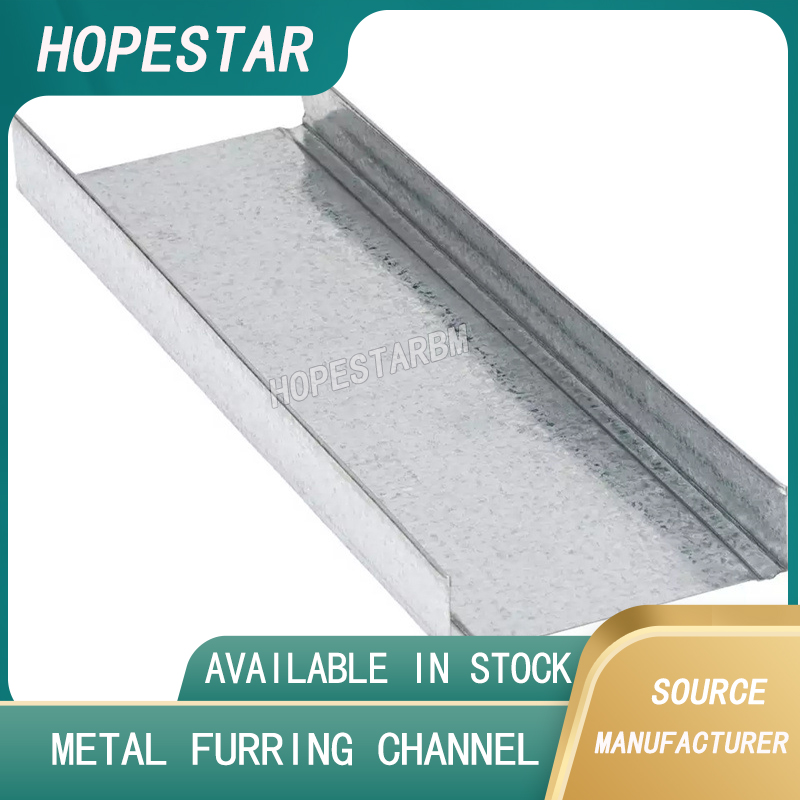
Metal furring channel for ceiling is a vital secondary framing component widely used in suspended ceiling and drywall ceiling systems. Roll-formed from cold-rolled galvanized steel, this lightweight metal profile works together with main channels, hangers and wall angles to create a level,
Metal Furring Channel for Ceiling – Galvanized Secondary Framing for Suspended Drywall Ceilings

Metal omega channel, also widely called omega furring channel or hat channel, is an indispensable secondary metal framing profile for modern suspended ceilings and drywall wall furring systems. Named after its distinctive Ω shape, this profile is roll-formed from cold-rolled galvanized steel
Metal Omega Channel – Galvanized Omega Furring Channel for Drywall Ceiling and Wall Framing