
What is a light steel keel? What are the advantages and disadvantages compared to traditional wooden keel?
2024-05-13
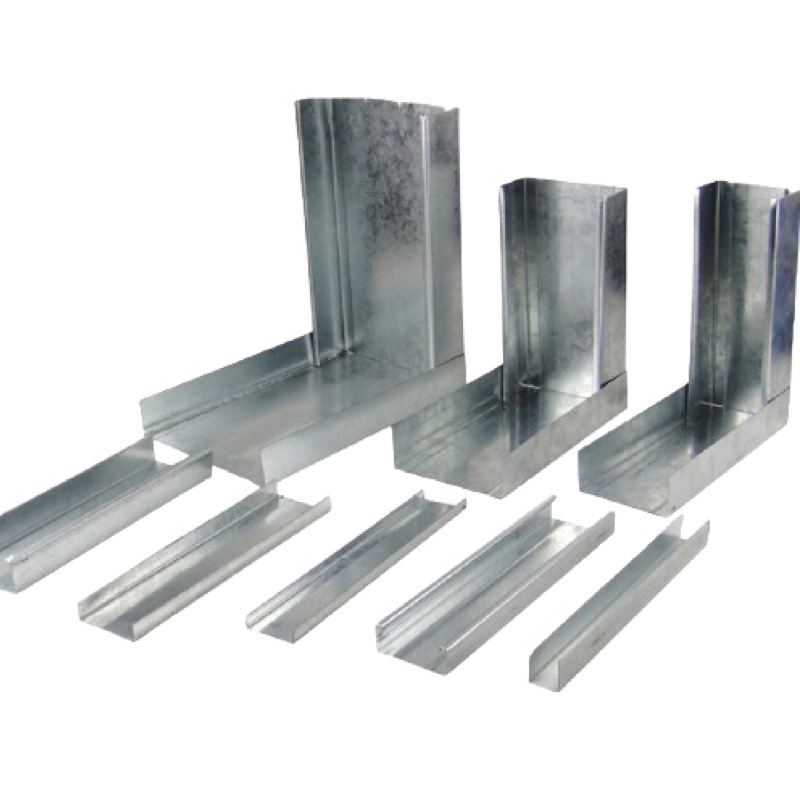
Many buddies like to design suspended ceilings in their new houses. The suspended ceiling design not only makes the entire ceiling more beautiful, but also effectively blocks the water and electricity pipes, fresh air system pipes, and so on on on the top of the house, making the upper indoor space more organized. So how did such a beautiful designer package the bare ceiling? This can be attributed to our keel. Traditional ceiling designs use wooden keel, and with the advancement of home decoration materials, a new type of keel material has gradually come into people's sight. It is our protagonist today - light steel keel! Follow me quickly to uncover its mysterious veil~
What is a light steel keel?
Light steel keel is made of aluminum alloy material and polished through electro oxidation process. Continuous hot-dip galvanized sheet and strip are commonly used as raw materials on the market, which are repeatedly rolled through process. The texture is lightweight, the material is hard, and the overall cost-effectiveness is better than traditional wooden keel.
Which is better between light steel keel and wooden keel?
1、 Light steel keel
Light steel keel is an emerging main material for suspended ceilings, and many construction sites choose it as the ceiling material. It has excellent quality and light weight, which leaves more space for us to choose materials for the later design of the ceiling, without worrying about the weight of the ceiling being too heavy. Due to the simple construction of light steel keel, most workers can complete 5 to 7 meters in a day, and it also comes with shockproof and soundproof functions, ensuring the overall internal structure is safe and stable.
2、 Wooden keel
Wooden keel is a relatively traditional main material for suspended ceilings. Due to the susceptibility of wood to environmental influences, it is highly likely to mold and deform in excessively humid environments. Moreover, wooden keel is also a relatively flammable material, which poses certain safety hazards. Moreover, wooden keel generally requires secondary cutting according to the length we use, so construction is more complicated, and the overall construction progress is not as fast as light steel keel. Wooden keel has a higher quality. If the indoor area is larger, do not choose wooden keel as its load-bearing capacity is not particularly stable.
Comprehensive comparative analysis:
Fire resistance: Light steel keel>wooden keel
Waterproofness: Light steel keel>wooden keel
Environmental friendliness: wooden keel=light steel keel
Safety: Light steel keel>wooden keel
Durability: Light steel keel>wooden keel
Construction difficulty: wooden keel>light steel keel
Selling price: Light steel keel>wooden keel
That's all for the introduction of light steel keel. If you want to do ceiling design, you can choose the ceiling according to your actual situation.
What is a light steel keel?
Light steel keel is made of aluminum alloy material and polished through electro oxidation process. Continuous hot-dip galvanized sheet and strip are commonly used as raw materials on the market, which are repeatedly rolled through process. The texture is lightweight, the material is hard, and the overall cost-effectiveness is better than traditional wooden keel.
Which is better between light steel keel and wooden keel?
1、 Light steel keel
Light steel keel is an emerging main material for suspended ceilings, and many construction sites choose it as the ceiling material. It has excellent quality and light weight, which leaves more space for us to choose materials for the later design of the ceiling, without worrying about the weight of the ceiling being too heavy. Due to the simple construction of light steel keel, most workers can complete 5 to 7 meters in a day, and it also comes with shockproof and soundproof functions, ensuring the overall internal structure is safe and stable.
2、 Wooden keel
Wooden keel is a relatively traditional main material for suspended ceilings. Due to the susceptibility of wood to environmental influences, it is highly likely to mold and deform in excessively humid environments. Moreover, wooden keel is also a relatively flammable material, which poses certain safety hazards. Moreover, wooden keel generally requires secondary cutting according to the length we use, so construction is more complicated, and the overall construction progress is not as fast as light steel keel. Wooden keel has a higher quality. If the indoor area is larger, do not choose wooden keel as its load-bearing capacity is not particularly stable.
Comprehensive comparative analysis:
Fire resistance: Light steel keel>wooden keel
Waterproofness: Light steel keel>wooden keel
Environmental friendliness: wooden keel=light steel keel
Safety: Light steel keel>wooden keel
Durability: Light steel keel>wooden keel
Construction difficulty: wooden keel>light steel keel
Selling price: Light steel keel>wooden keel
That's all for the introduction of light steel keel. If you want to do ceiling design, you can choose the ceiling according to your actual situation.
What are the series of European light steel keel?
What are the precautions for installing light steel keel suspended ceilings?
Related Article

Ceiling wall angle, also known as perimeter angle or L-angle, is an indispensable L-shaped metal profile for suspended drywall ceiling systems. Roll-formed from cold-rolled galvanized steel, ceiling wall angle is fixed along the wall perimeter to support the ends of main channels and furring channels,
Ceiling Wall Angle – Galvanized L-Shaped Perimeter Trim for Suspended Drywall Ceilings
Galvanized steel profiles are the foundational metal framing components widely used in modern interior construction. Roll-formed from cold-rolled steel coated with protective zinc layer, galvanized steel profiles cover a full range of shapes including C studs, U tracks, omega channels,
Galvanized Steel Profiles – Reliable Cold Rolled Framing for Drywall Walls and Ceilings

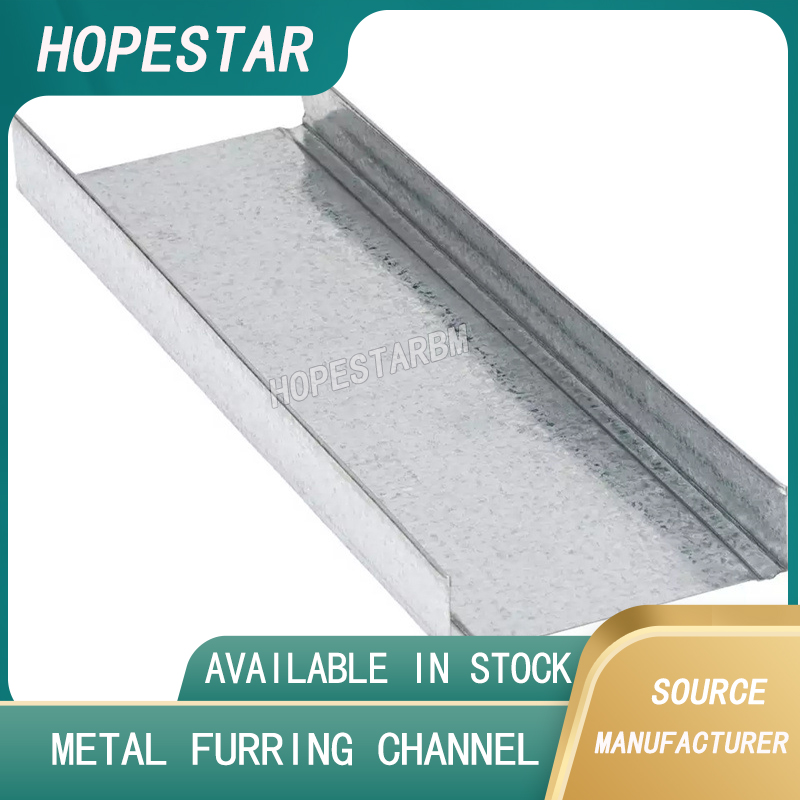
Metal furring channel for ceiling is a vital secondary framing component widely used in suspended ceiling and drywall ceiling systems. Roll-formed from cold-rolled galvanized steel, this lightweight metal profile works together with main channels, hangers and wall angles to create a level,
Metal Furring Channel for Ceiling – Galvanized Secondary Framing for Suspended Drywall Ceilings

Metal omega channel, also widely called omega furring channel or hat channel, is an indispensable secondary metal framing profile for modern suspended ceilings and drywall wall furring systems. Named after its distinctive Ω shape, this profile is roll-formed from cold-rolled galvanized steel
Metal Omega Channel – Galvanized Omega Furring Channel for Drywall Ceiling and Wall Framing