
Perforated profile corner for drywall
2024-04-30
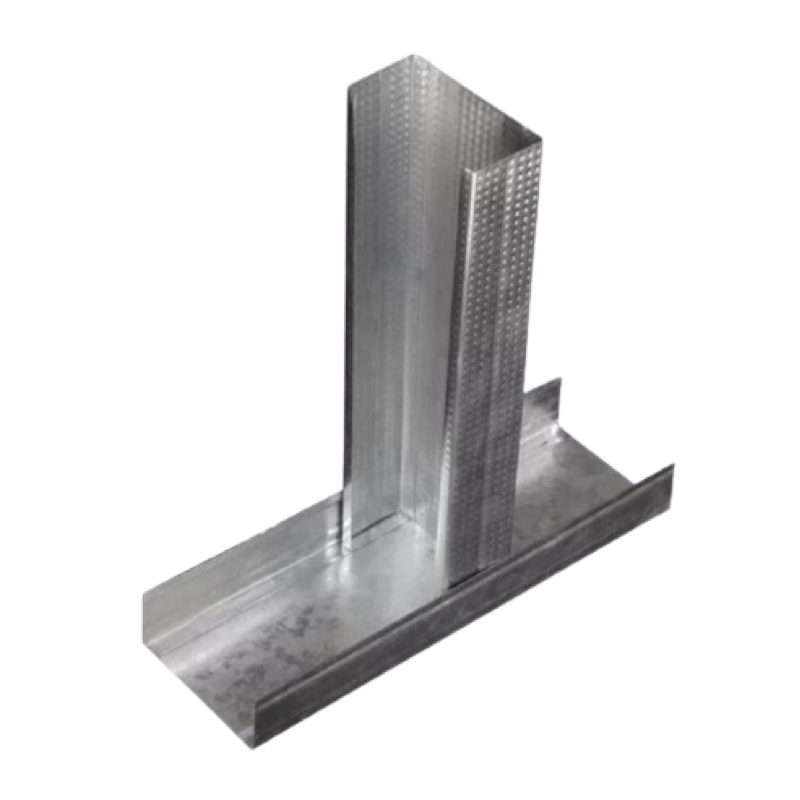
Perforated profile corner for drywall is an essential component in the construction industry, playing a crucial role in ensuring the stability and durability of drywall panels. Also known as drywall corners or drywall beads, these perforated profile corners are designed to provide a strong, secure, and finished look to the corners of drywall panels.
Drywall, also known as sheetrock or wallboard, is a type of building material used primarily as a partitioning system within buildings. It is made up of gypsum plaster, sand, and water, and is formed into panels that are then installed on metal studs or wooden framing. Drywall is a popular choice for interior walls and ceilings because it is fire-resistant, soundproof, and easy to install.
However, drywall panels by themselves are relatively fragile and can easily be damaged if not properly supported. This is where perforated profile corners come in. These corners are installed at the intersection of two drywall panels to provide additional support and stability. They are made from a metal strip that is bent at a 90-degree angle, with perforations along the length to allow for easy installation.
During installation, the perforated profile corner is placed against the inside corner of the drywall panels, with the metal strip flush against the wall. A special drywall compound is then applied over the corner, filling in the gaps and adhering the corner to the wall. Once dry, the compound forms a strong bond that holds the corner securely in place.
The perforated design of the corner not only allows for easy installation but also enhances the finished look of the wall. The perforations allow the compound to set evenly, creating a smooth, continuous surface that blends seamlessly with the drywall. This not only improves the aesthetics of the room but also ensures that the wall is free from any cracks or gaps that could potentially affect its durability.
In addition to providing stability and a finished look, perforated profile corners also play a crucial role in soundproofing. The metal strip acts as a barrier that prevents sound waves from passing through the corners of the wall, thus reducing noise transmission between rooms. This is especially beneficial in areas such as bedrooms or bathrooms, where sound insulation is crucial for maintaining privacy and comfort.
Overall, perforated profile corners for drywall are an integral part of the construction process. They not only ensure the stability and durability of drywall panels but also enhance the aesthetics and soundproofing of the finished wall. By using these corners, builders can create strong, secure, and attractive walls that will stand the test of time.
Detailed introduction to the specifications and dimensions of Australian light steel keel
Advantages of hot-dip galvanized ceiling frames
Related Article

Ceiling wall angle, also known as perimeter angle or L-angle, is an indispensable L-shaped metal profile for suspended drywall ceiling systems. Roll-formed from cold-rolled galvanized steel, ceiling wall angle is fixed along the wall perimeter to support the ends of main channels and furring channels,
Ceiling Wall Angle – Galvanized L-Shaped Perimeter Trim for Suspended Drywall Ceilings

Galvanized steel profiles are the foundational metal framing components widely used in modern interior construction. Roll-formed from cold-rolled steel coated with protective zinc layer, galvanized steel profiles cover a full range of shapes including C studs, U tracks, omega channels,
Galvanized Steel Profiles – Reliable Cold Rolled Framing for Drywall Walls and Ceilings

Metal furring channel for ceiling is a vital secondary framing component widely used in suspended ceiling and drywall ceiling systems. Roll-formed from cold-rolled galvanized steel, this lightweight metal profile works together with main channels, hangers and wall angles to create a level,
Metal Furring Channel for Ceiling – Galvanized Secondary Framing for Suspended Drywall Ceilings

Metal omega channel, also widely called omega furring channel or hat channel, is an indispensable secondary metal framing profile for modern suspended ceilings and drywall wall furring systems. Named after its distinctive Ω shape, this profile is roll-formed from cold-rolled galvanized steel
Metal Omega Channel – Galvanized Omega Furring Channel for Drywall Ceiling and Wall Framing