
What is the load-bearing capacity and stability of the light steel keel ceiling?
2024-04-25
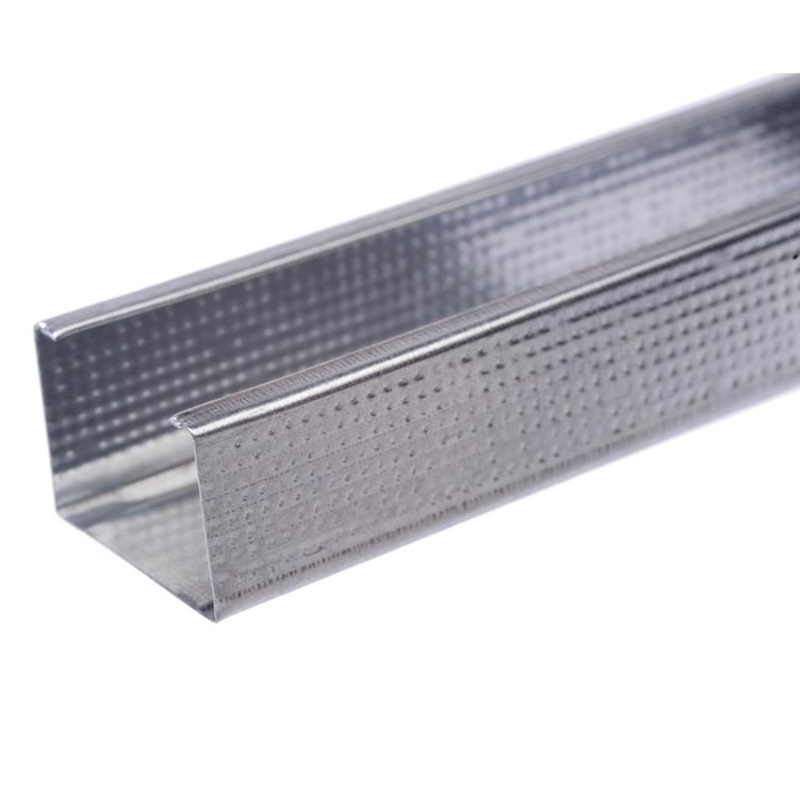
The load-bearing capacity and stability of light steel keel suspended ceilings are key factors for their widespread application in the decoration industry. Light steel keel, as a new type of building material, has gradually replaced traditional wooden keel ceilings with many advantages such as lightweight, high strength, fire resistance, moisture-proof, and corrosion resistance. So, what is the load-bearing capacity and stability of the light steel keel suspended ceiling? This article will conduct a detailed analysis from the aspects of material characteristics, structural design, construction technology, etc.
Firstly, from the perspective of material characteristics, the light steel keel ceiling adopts high-strength keel formed by cold bending process of galvanized steel plate. This material has the characteristics of lightweight, high strength, and corrosion resistance, which can ensure the aesthetic appearance of the ceiling while bearing a larger weight. In addition, the suspension rods and connectors of the light steel keel ceiling are also made of high-quality steel, ensuring the overall stability of the ceiling.
Secondly, from the perspective of structural design, the light steel keel ceiling adopts a scientific structural design. Through reasonable layout and connection methods, the various parts of the ceiling are tightly connected to form a whole. The main and auxiliary keels of the ceiling are connected through suspension rods and connectors, forming a stable framework. At the same time, the connection between the ceiling and the walls, columns, and other structures has been carefully designed to ensure the overall stability of the ceiling.
Again, from the perspective of construction technology, the construction process of light steel keel suspended ceiling strictly follows relevant specifications and requirements to ensure construction quality. During the construction process, the first step is to treat the base layer of the suspended ceiling to ensure its flatness, dryness, and absence of oil stains. Then, install the keel according to the design drawings, ensuring that the spacing and height of the keel meet the design requirements. Next, proceed with the installation of the ceiling panels to ensure that the connection between the panels and the keel is firm and smooth. Finally, the surface treatment and decoration of the ceiling should be carried out to achieve a beautiful and practical effect.
In addition, the light steel keel suspended ceiling has shown good seismic performance in practical applications. Due to the lightweight and high-strength characteristics of light steel keel, the suspended ceiling is not easily deformed or damaged under external forces such as earthquakes, which can ensure the safety of buildings.
In summary, the light steel keel suspended ceiling performs excellently in terms of load-bearing capacity and stability. Its excellent material properties, scientific structural design, and strict construction techniques enable the ceiling to withstand large weight while maintaining a stable shape. In addition, the light steel keel ceiling also has many advantages such as fire resistance, moisture resistance, and corrosion resistance, which can meet the usage needs in different environments. Therefore, in the decoration industry, light steel keel ceiling has become a widely used ceiling material.
Of course, the application of light steel keel suspended ceilings also needs to pay attention to some issues. For example, it is necessary to strictly comply with relevant regulations and requirements during the construction process to ensure construction quality; Regular maintenance and upkeep are required during use to avoid damage or deformation. Only in this way can the load-bearing capacity and stability advantages of light steel keel suspended ceilings be fully utilized, contributing to the safety and aesthetics of buildings.
In summary, the load-bearing capacity and stability of light steel keel suspended ceilings are key factors for their widespread application. Through the analysis of its material characteristics, structural design, construction technology, and other aspects, we can conclude that the light steel keel ceiling performs well in terms of load-bearing capacity and stability, and is an ideal ceiling material. In the future decoration industry, light steel keel suspended ceilings are expected to continue to play an important role, providing more guarantees for the safety and aesthetics of buildings.
Firstly, from the perspective of material characteristics, the light steel keel ceiling adopts high-strength keel formed by cold bending process of galvanized steel plate. This material has the characteristics of lightweight, high strength, and corrosion resistance, which can ensure the aesthetic appearance of the ceiling while bearing a larger weight. In addition, the suspension rods and connectors of the light steel keel ceiling are also made of high-quality steel, ensuring the overall stability of the ceiling.
Secondly, from the perspective of structural design, the light steel keel ceiling adopts a scientific structural design. Through reasonable layout and connection methods, the various parts of the ceiling are tightly connected to form a whole. The main and auxiliary keels of the ceiling are connected through suspension rods and connectors, forming a stable framework. At the same time, the connection between the ceiling and the walls, columns, and other structures has been carefully designed to ensure the overall stability of the ceiling.
Again, from the perspective of construction technology, the construction process of light steel keel suspended ceiling strictly follows relevant specifications and requirements to ensure construction quality. During the construction process, the first step is to treat the base layer of the suspended ceiling to ensure its flatness, dryness, and absence of oil stains. Then, install the keel according to the design drawings, ensuring that the spacing and height of the keel meet the design requirements. Next, proceed with the installation of the ceiling panels to ensure that the connection between the panels and the keel is firm and smooth. Finally, the surface treatment and decoration of the ceiling should be carried out to achieve a beautiful and practical effect.
In addition, the light steel keel suspended ceiling has shown good seismic performance in practical applications. Due to the lightweight and high-strength characteristics of light steel keel, the suspended ceiling is not easily deformed or damaged under external forces such as earthquakes, which can ensure the safety of buildings.
In summary, the light steel keel suspended ceiling performs excellently in terms of load-bearing capacity and stability. Its excellent material properties, scientific structural design, and strict construction techniques enable the ceiling to withstand large weight while maintaining a stable shape. In addition, the light steel keel ceiling also has many advantages such as fire resistance, moisture resistance, and corrosion resistance, which can meet the usage needs in different environments. Therefore, in the decoration industry, light steel keel ceiling has become a widely used ceiling material.
Of course, the application of light steel keel suspended ceilings also needs to pay attention to some issues. For example, it is necessary to strictly comply with relevant regulations and requirements during the construction process to ensure construction quality; Regular maintenance and upkeep are required during use to avoid damage or deformation. Only in this way can the load-bearing capacity and stability advantages of light steel keel suspended ceilings be fully utilized, contributing to the safety and aesthetics of buildings.
In summary, the load-bearing capacity and stability of light steel keel suspended ceilings are key factors for their widespread application. Through the analysis of its material characteristics, structural design, construction technology, and other aspects, we can conclude that the light steel keel ceiling performs well in terms of load-bearing capacity and stability, and is an ideal ceiling material. In the future decoration industry, light steel keel suspended ceilings are expected to continue to play an important role, providing more guarantees for the safety and aesthetics of buildings.
What are the advantages of galvanized light steel keel
Is the light steel keel ceiling environmentally friendly?
Related Article

Ceiling wall angle, also known as perimeter angle or L-angle, is an indispensable L-shaped metal profile for suspended drywall ceiling systems. Roll-formed from cold-rolled galvanized steel, ceiling wall angle is fixed along the wall perimeter to support the ends of main channels and furring channels,
Ceiling Wall Angle – Galvanized L-Shaped Perimeter Trim for Suspended Drywall Ceilings
Galvanized steel profiles are the foundational metal framing components widely used in modern interior construction. Roll-formed from cold-rolled steel coated with protective zinc layer, galvanized steel profiles cover a full range of shapes including C studs, U tracks, omega channels,
Galvanized Steel Profiles – Reliable Cold Rolled Framing for Drywall Walls and Ceilings

Metal furring channel for ceiling is a vital secondary framing component widely used in suspended ceiling and drywall ceiling systems. Roll-formed from cold-rolled galvanized steel, this lightweight metal profile works together with main channels, hangers and wall angles to create a level,
Metal Furring Channel for Ceiling – Galvanized Secondary Framing for Suspended Drywall Ceilings

Metal omega channel, also widely called omega furring channel or hat channel, is an indispensable secondary metal framing profile for modern suspended ceilings and drywall wall furring systems. Named after its distinctive Ω shape, this profile is roll-formed from cold-rolled galvanized steel
Metal Omega Channel – Galvanized Omega Furring Channel for Drywall Ceiling and Wall Framing