
Is the light steel keel ceiling environmentally friendly?
2024-04-25
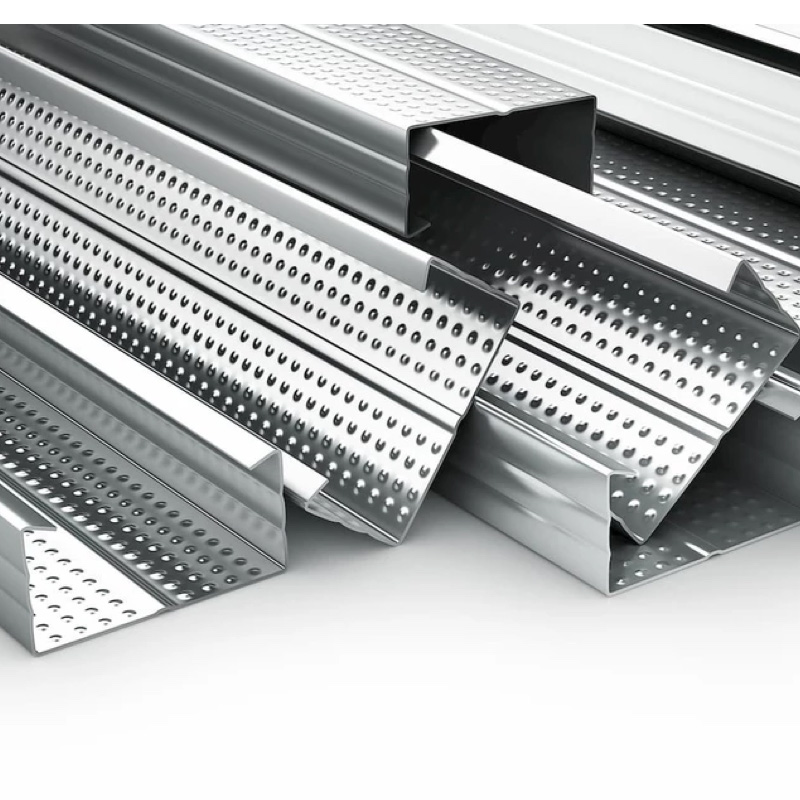
Is the light steel keel ceiling environmentally friendly?
Light steel keel suspended ceiling, as a modern building decoration material, is widely used in various indoor spaces, such as office, shopping mall, home decoration, etc. We can conduct in-depth analysis on its environmental friendliness from the aspects of material composition, production process, usage effectiveness, and recycling and reuse.
Firstly, from the perspective of material composition, the light steel keel ceiling is mainly composed of light steel materials and gypsum boards. Light steel materials are usually made by cold bending high-strength steel, which has high strength and durability and is not easily deformed. Gypsum board is a natural material mainly made of gypsum and fiber reinforced materials, which has good fire resistance, sound insulation, and thermal insulation properties. These material components all meet environmental requirements, do not contain harmful substances, and are harmless to the environment and human health.
Secondly, from the perspective of production process, the production process of light steel keel suspended ceiling is relatively simple and has less environmental pollution. During the production process, manufacturers will strictly control the quality of raw materials and environmental standards, while adopting advanced production technology and equipment to reduce energy consumption and pollutant emissions. In addition, the production process of light steel keel suspended ceilings can also recycle waste materials, further reducing resource consumption and environmental burden.
Again, from the perspective of usage effectiveness, the light steel keel ceiling has good environmental performance. It can not only effectively improve indoor environmental quality, enhance the comfort of living and working spaces, but also reduce building energy consumption and achieve energy conservation and emission reduction. Meanwhile, the light steel keel suspended ceiling also has a long service life and good maintenance performance, which can reduce resource waste and environmental impact caused by frequent replacement and maintenance.
Finally, from the perspective of recycling and reuse, the light steel keel ceiling has high recyclability. When the ceiling needs to be replaced or removed, its materials can be recycled to reduce waste generation and environmental pollution. Meanwhile, recycling and reuse can also save resources, reduce production costs, and achieve a win-win situation of economic and environmental benefits.
In summary, the light steel keel ceiling has shown good environmental performance in terms of material composition, production process, usage effect, and recycling and reuse. Therefore, we can consider light steel keel suspended ceiling to be an environmentally friendly building decoration material. In practical applications, we should actively promote the use of light steel keel suspended ceilings to promote sustainable development and environmental protection in the construction industry.
Of course, no material is perfect, and light steel keel ceilings are no exception. In the process of use, we also need to pay attention to some issues, such as selecting products produced by legitimate manufacturers, following correct installation and use methods, regularly maintaining and upkeep, etc., to ensure that their environmental performance is fully utilized. At the same time, we also need to constantly explore and innovate, develop more environmentally friendly, efficient, and sustainable building decoration materials, and create a better environment for human survival and development.
Light steel keel suspended ceiling, as a modern building decoration material, is widely used in various indoor spaces, such as office, shopping mall, home decoration, etc. We can conduct in-depth analysis on its environmental friendliness from the aspects of material composition, production process, usage effectiveness, and recycling and reuse.
Firstly, from the perspective of material composition, the light steel keel ceiling is mainly composed of light steel materials and gypsum boards. Light steel materials are usually made by cold bending high-strength steel, which has high strength and durability and is not easily deformed. Gypsum board is a natural material mainly made of gypsum and fiber reinforced materials, which has good fire resistance, sound insulation, and thermal insulation properties. These material components all meet environmental requirements, do not contain harmful substances, and are harmless to the environment and human health.
Secondly, from the perspective of production process, the production process of light steel keel suspended ceiling is relatively simple and has less environmental pollution. During the production process, manufacturers will strictly control the quality of raw materials and environmental standards, while adopting advanced production technology and equipment to reduce energy consumption and pollutant emissions. In addition, the production process of light steel keel suspended ceilings can also recycle waste materials, further reducing resource consumption and environmental burden.
Again, from the perspective of usage effectiveness, the light steel keel ceiling has good environmental performance. It can not only effectively improve indoor environmental quality, enhance the comfort of living and working spaces, but also reduce building energy consumption and achieve energy conservation and emission reduction. Meanwhile, the light steel keel suspended ceiling also has a long service life and good maintenance performance, which can reduce resource waste and environmental impact caused by frequent replacement and maintenance.
Finally, from the perspective of recycling and reuse, the light steel keel ceiling has high recyclability. When the ceiling needs to be replaced or removed, its materials can be recycled to reduce waste generation and environmental pollution. Meanwhile, recycling and reuse can also save resources, reduce production costs, and achieve a win-win situation of economic and environmental benefits.
In summary, the light steel keel ceiling has shown good environmental performance in terms of material composition, production process, usage effect, and recycling and reuse. Therefore, we can consider light steel keel suspended ceiling to be an environmentally friendly building decoration material. In practical applications, we should actively promote the use of light steel keel suspended ceilings to promote sustainable development and environmental protection in the construction industry.
Of course, no material is perfect, and light steel keel ceilings are no exception. In the process of use, we also need to pay attention to some issues, such as selecting products produced by legitimate manufacturers, following correct installation and use methods, regularly maintaining and upkeep, etc., to ensure that their environmental performance is fully utilized. At the same time, we also need to constantly explore and innovate, develop more environmentally friendly, efficient, and sustainable building decoration materials, and create a better environment for human survival and development.
What is the load-bearing capacity and stability of the light steel keel ceiling?
What kind of materials are generally chosen for decorating ceiling
Related Article

Ceiling wall angle, also known as perimeter angle or L-angle, is an indispensable L-shaped metal profile for suspended drywall ceiling systems. Roll-formed from cold-rolled galvanized steel, ceiling wall angle is fixed along the wall perimeter to support the ends of main channels and furring channels,
Ceiling Wall Angle – Galvanized L-Shaped Perimeter Trim for Suspended Drywall Ceilings
Galvanized steel profiles are the foundational metal framing components widely used in modern interior construction. Roll-formed from cold-rolled steel coated with protective zinc layer, galvanized steel profiles cover a full range of shapes including C studs, U tracks, omega channels,
Galvanized Steel Profiles – Reliable Cold Rolled Framing for Drywall Walls and Ceilings

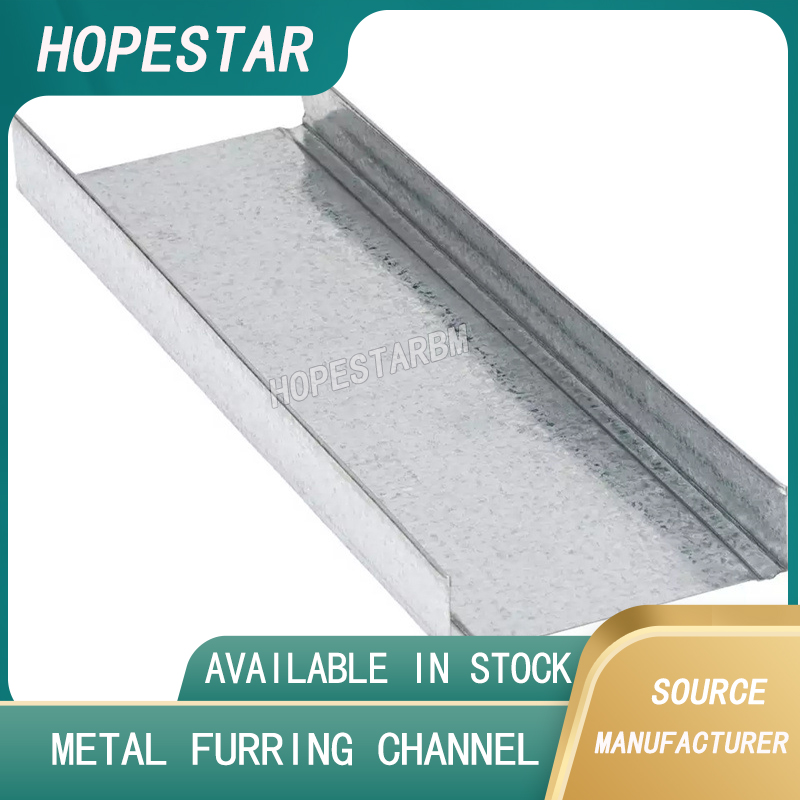
Metal furring channel for ceiling is a vital secondary framing component widely used in suspended ceiling and drywall ceiling systems. Roll-formed from cold-rolled galvanized steel, this lightweight metal profile works together with main channels, hangers and wall angles to create a level,
Metal Furring Channel for Ceiling – Galvanized Secondary Framing for Suspended Drywall Ceilings

Metal omega channel, also widely called omega furring channel or hat channel, is an indispensable secondary metal framing profile for modern suspended ceilings and drywall wall furring systems. Named after its distinctive Ω shape, this profile is roll-formed from cold-rolled galvanized steel
Metal Omega Channel – Galvanized Omega Furring Channel for Drywall Ceiling and Wall Framing