
metal furring channel sizes introduce
2024-03-22
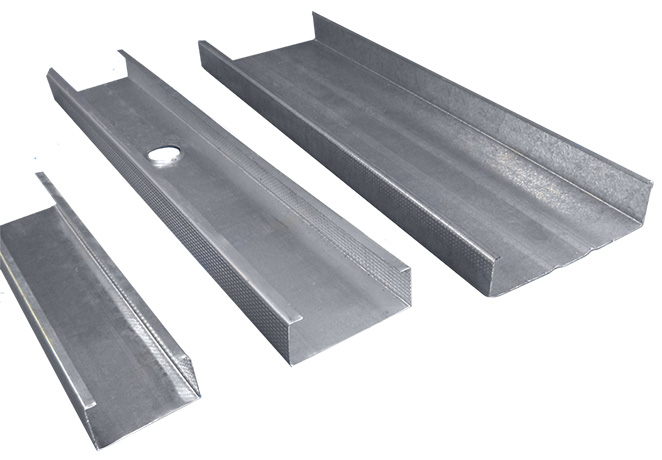
Metal furring channels, also known as metal framing channels, are a type of metal framing system used in construction to provide support and stability to walls, ceilings, and floors. These channels are typically made of galvanized steel or aluminum and are available in a range of sizes to suit different applications.
The primary function of metal furring channels is to create a secure and level surface for the installation of drywall, plaster, or other finishing materials. They are often used in commercial and industrial settings where durability and strength are essential. However, they can also be found in residential construction, particularly in areas where additional support is needed, such as around windows or doors.
When selecting metal furring channels, it is important to consider the size and gauge of the metal. The size of the channel is typically determined by its width and depth, which are measured in inches. The gauge, on the other hand, refers to the thickness of the metal and is measured in fractions of an inch. Both the size and gauge of the channel will affect its load-bearing capacity and overall strength.
Common sizes for metal furring channels include 1”, 1.5”, 2”, 3”, and 4” channels, with gauges ranging from 16 to 22. Lighter gauge channels are typically used for lighter loads, while heavier gauge channels are required for heavier loads. It is important to consult with a structural engineer or building professional to determine the appropriate size and gauge of metal furring channels for a specific project.
In addition to size and gauge, it is also important to consider the finish and coating of the metal furring channels. Galvanized steel channels are coated with a layer of zinc to prevent corrosion and rust, while aluminum channels may have a powder-coated finish for durability and appearance. These finishes can affect the cost and durability of the channels, so it is important to choose the right finish for the intended application.
Installation of metal furring channels is typically done by professional contractors who have experience working with metal framing systems. The channels are secured to the existing structure using nails, screws, or welding, depending on the specific requirements of the project. Once the channels are installed, they provide a solid foundation for the installation of drywall, plaster, or other finishing materials.
In summary, metal furring channels are an essential component of many construction projects, providing stability and support to walls, ceilings, and floors. By choosing the right size, gauge, and finish for the intended application, it is possible to create a durable and attractive finish that will last for years. With proper installation and maintenance, metal furring channels can provide years of dependable service in commercial, industrial, and residential settings.
Australia metal furring ceiling price
drywall furring channel introuduce
Related Article

Ceiling wall angle, also known as perimeter angle or L-angle, is an indispensable L-shaped metal profile for suspended drywall ceiling systems. Roll-formed from cold-rolled galvanized steel, ceiling wall angle is fixed along the wall perimeter to support the ends of main channels and furring channels,
Ceiling Wall Angle – Galvanized L-Shaped Perimeter Trim for Suspended Drywall Ceilings
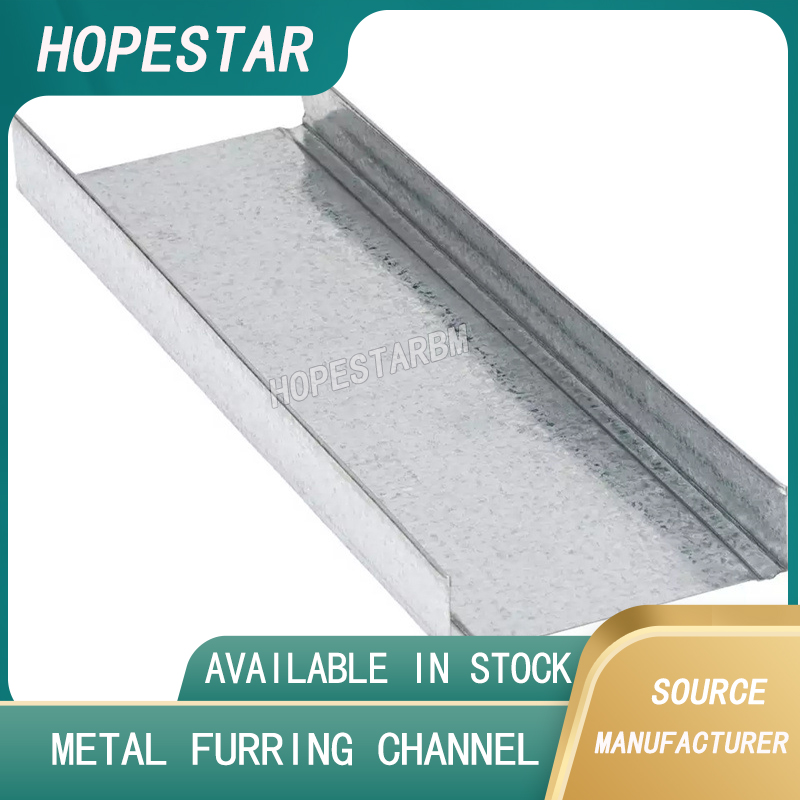
Galvanized steel profiles are the foundational metal framing components widely used in modern interior construction. Roll-formed from cold-rolled steel coated with protective zinc layer, galvanized steel profiles cover a full range of shapes including C studs, U tracks, omega channels,
Galvanized Steel Profiles – Reliable Cold Rolled Framing for Drywall Walls and Ceilings

Metal furring channel for ceiling is a vital secondary framing component widely used in suspended ceiling and drywall ceiling systems. Roll-formed from cold-rolled galvanized steel, this lightweight metal profile works together with main channels, hangers and wall angles to create a level,
Metal Furring Channel for Ceiling – Galvanized Secondary Framing for Suspended Drywall Ceilings

Metal omega channel, also widely called omega furring channel or hat channel, is an indispensable secondary metal framing profile for modern suspended ceilings and drywall wall furring systems. Named after its distinctive Ω shape, this profile is roll-formed from cold-rolled galvanized steel
Metal Omega Channel – Galvanized Omega Furring Channel for Drywall Ceiling and Wall Framing