
What are the types of light steel keel?
2024-03-21
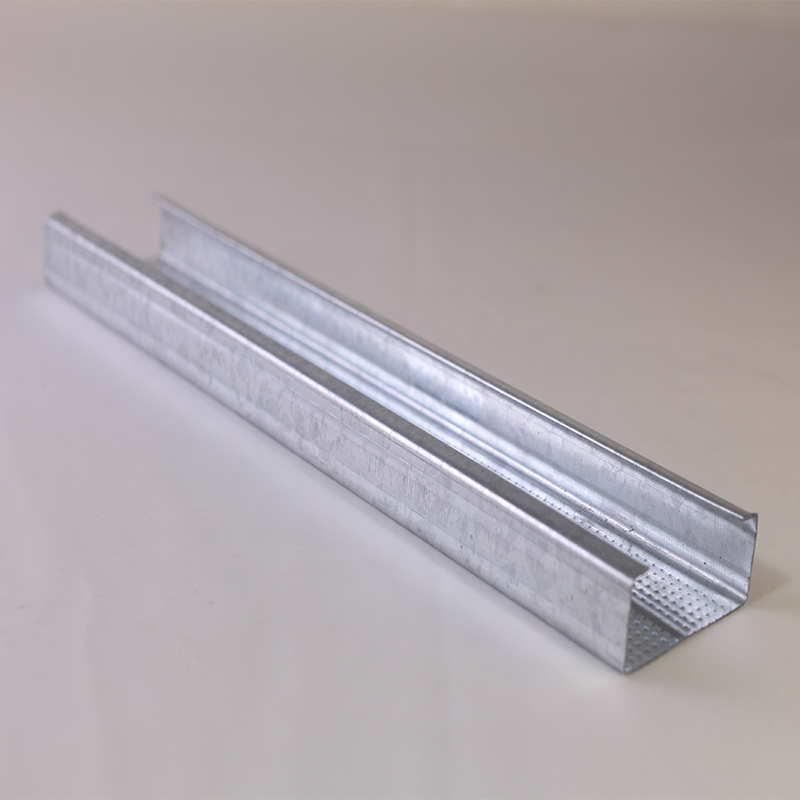
What are the types of light steel keel?Light steel keel, as a widely used material in the construction industry, has received widespread attention and application due to its high strength, lightweight, corrosion resistance and other characteristics. There are various types of light steel keel, each with its unique characteristics and application scenarios. Below, we will provide a detailed introduction to several common types of light steel keel.
1、 Classified by purpose
1. Suspended ceiling keel: Suspended ceiling keel is mainly used as a support structure for indoor ceilings. It usually adopts a C-shaped or U-shaped cross-section, which has good bearing capacity and stability. The ceiling keel can be used in conjunction with various ceiling materials, such as gypsum board, aluminum buckle board, etc., to provide a beautiful and flat ceiling effect for indoor spaces.
2. Partition keel: Partition keel is mainly used for dividing indoor spaces, such as offices, meeting rooms, etc. It usually adopts an H-shaped or T-shaped cross-section, which has high bending strength and stability. The partition keel can be used in conjunction with materials such as gypsum board and glass to achieve flexible division of space.
3. Wall keel: Wall keel is mainly used for the construction of non load-bearing walls. It usually adopts a C-shaped or U-shaped cross-section, which has good insulation and thermal insulation effects. The wall keel can be used in conjunction with lightweight panels, insulation materials, etc. to construct a lightweight and energy-saving wall structure.
2、 Classified by material
1. Galvanized steel keel: Galvanized steel keel is made by galvanizing the surface of ordinary steel keel, which has good anti-corrosion performance. It is suitable for suspended ceilings, partitions, and walls in damp indoor or outdoor environments.
2. Aluminum alloy keel: Aluminum alloy keel is made of lightweight and high-strength aluminum alloy material, What are the types of light steel keel?which has the characteristics of light weight, corrosion resistance, and easy processing. It is suitable for indoor suspended ceilings, partitions and other building parts, especially for places with high aesthetic requirements.
3. Stainless steel keel: The stainless steel keel is made of stainless steel material, which has the characteristics of high strength, corrosion resistance, and beautiful appearance. It is suitable for suspended ceilings, partitions and other building parts in indoor and outdoor environments, especially for places with high durability requirements.
3、 Classify by shape
1. C-shaped steel keel: The C-shaped steel keel has a C-shaped cross-section and good load-bearing capacity and stability. It is suitable for building parts such as ceilings and partitions, and can be used in conjunction with various ceiling materials.
2. U-shaped steel keel: U-shaped steel keel has a U-shaped cross-section and good load-bearing capacity and stability. It is suitable for building parts such as ceilings and walls, and can be used in conjunction with lightweight panels, insulation materials, etc.
3. H-shaped steel keel: H-shaped steel keel has an H-shaped cross-section and high bending strength and stability. It is suitable for building parts such as partitions and walls, and can be used in conjunction with materials such as gypsum boards and glass.
In summary, there are various types of light steel keel, each with its unique characteristics and application scenarios. When selecting light steel keel, appropriate types should be selected based on actual needs and uses to ensure the stability and safety of the building structure. Meanwhile, during the installation process, relevant specifications and requirements should be followed to ensure installation quality and effectiveness.
1、 Classified by purpose
1. Suspended ceiling keel: Suspended ceiling keel is mainly used as a support structure for indoor ceilings. It usually adopts a C-shaped or U-shaped cross-section, which has good bearing capacity and stability. The ceiling keel can be used in conjunction with various ceiling materials, such as gypsum board, aluminum buckle board, etc., to provide a beautiful and flat ceiling effect for indoor spaces.
2. Partition keel: Partition keel is mainly used for dividing indoor spaces, such as offices, meeting rooms, etc. It usually adopts an H-shaped or T-shaped cross-section, which has high bending strength and stability. The partition keel can be used in conjunction with materials such as gypsum board and glass to achieve flexible division of space.
3. Wall keel: Wall keel is mainly used for the construction of non load-bearing walls. It usually adopts a C-shaped or U-shaped cross-section, which has good insulation and thermal insulation effects. The wall keel can be used in conjunction with lightweight panels, insulation materials, etc. to construct a lightweight and energy-saving wall structure.
2、 Classified by material
1. Galvanized steel keel: Galvanized steel keel is made by galvanizing the surface of ordinary steel keel, which has good anti-corrosion performance. It is suitable for suspended ceilings, partitions, and walls in damp indoor or outdoor environments.
2. Aluminum alloy keel: Aluminum alloy keel is made of lightweight and high-strength aluminum alloy material, What are the types of light steel keel?which has the characteristics of light weight, corrosion resistance, and easy processing. It is suitable for indoor suspended ceilings, partitions and other building parts, especially for places with high aesthetic requirements.
3. Stainless steel keel: The stainless steel keel is made of stainless steel material, which has the characteristics of high strength, corrosion resistance, and beautiful appearance. It is suitable for suspended ceilings, partitions and other building parts in indoor and outdoor environments, especially for places with high durability requirements.
3、 Classify by shape
1. C-shaped steel keel: The C-shaped steel keel has a C-shaped cross-section and good load-bearing capacity and stability. It is suitable for building parts such as ceilings and partitions, and can be used in conjunction with various ceiling materials.
2. U-shaped steel keel: U-shaped steel keel has a U-shaped cross-section and good load-bearing capacity and stability. It is suitable for building parts such as ceilings and walls, and can be used in conjunction with lightweight panels, insulation materials, etc.
3. H-shaped steel keel: H-shaped steel keel has an H-shaped cross-section and high bending strength and stability. It is suitable for building parts such as partitions and walls, and can be used in conjunction with materials such as gypsum boards and glass.
In summary, there are various types of light steel keel, each with its unique characteristics and application scenarios. When selecting light steel keel, appropriate types should be selected based on actual needs and uses to ensure the stability and safety of the building structure. Meanwhile, during the installation process, relevant specifications and requirements should be followed to ensure installation quality and effectiveness.
furring channel for ceiling introduce
The price of light steel keel suspended ceiling
Related Article

Ceiling wall angle, also known as perimeter angle or L-angle, is an indispensable L-shaped metal profile for suspended drywall ceiling systems. Roll-formed from cold-rolled galvanized steel, ceiling wall angle is fixed along the wall perimeter to support the ends of main channels and furring channels,
Ceiling Wall Angle – Galvanized L-Shaped Perimeter Trim for Suspended Drywall Ceilings
Galvanized steel profiles are the foundational metal framing components widely used in modern interior construction. Roll-formed from cold-rolled steel coated with protective zinc layer, galvanized steel profiles cover a full range of shapes including C studs, U tracks, omega channels,
Galvanized Steel Profiles – Reliable Cold Rolled Framing for Drywall Walls and Ceilings

Metal furring channel for ceiling is a vital secondary framing component widely used in suspended ceiling and drywall ceiling systems. Roll-formed from cold-rolled galvanized steel, this lightweight metal profile works together with main channels, hangers and wall angles to create a level,
Metal Furring Channel for Ceiling – Galvanized Secondary Framing for Suspended Drywall Ceilings

Metal omega channel, also widely called omega furring channel or hat channel, is an indispensable secondary metal framing profile for modern suspended ceilings and drywall wall furring systems. Named after its distinctive Ω shape, this profile is roll-formed from cold-rolled galvanized steel
Metal Omega Channel – Galvanized Omega Furring Channel for Drywall Ceiling and Wall Framing