
How should angle beads be stored?
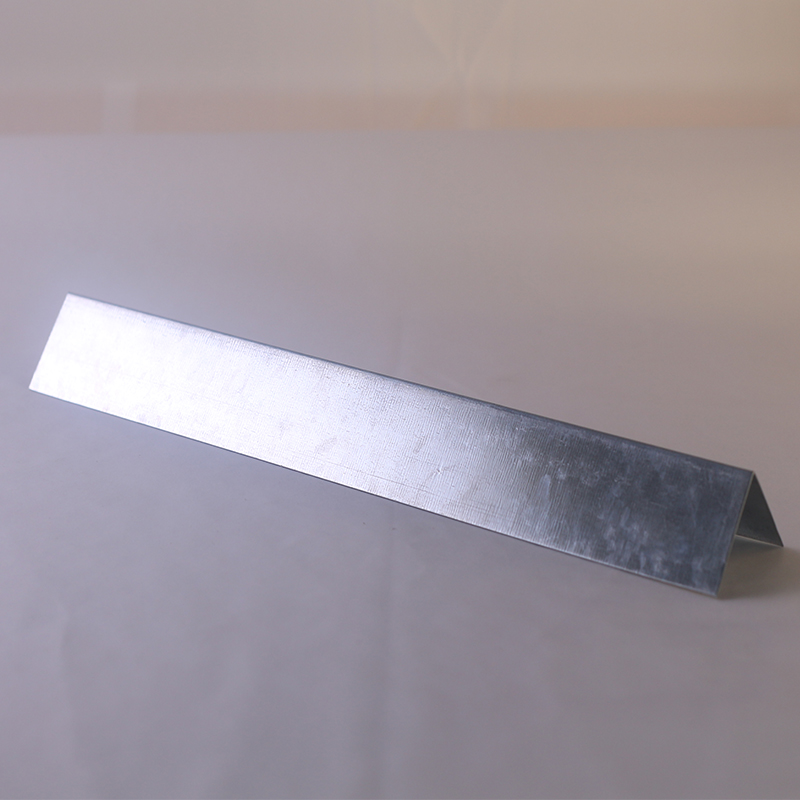
How should angle beads be stored?
Angle beads, which are typically used in construction for providing clean edges and corners, should be stored properly to maintain their shape and integrity. Here are some tips for storing angle beads:
Dry Environment: Angle beads should be stored in a dry environment to prevent moisture absorption, which can lead to rust or corrosion, especially if the angle beads are made of metal.
Flat Surface: Store angle beads on a flat surface to prevent warping or bending. Storing them vertically or leaning them against a wall can cause them to become misshapen.
Protective Covering: Consider covering the angle beads with a protective material such as plastic wrap or a tarp to shield them from dust, dirt, and potential damage.
Stacking: If you need to stack angle beads, do so carefully to avoid putting excess pressure on them. Place a protective layer between each layer of angle beads to prevent scratching or denting.
Organized Storage: Keep angle beads organized in a designated storage area to prevent them from getting lost or damaged. Labeling or categorizing them based on size or material can make it easier to find what you need.
Avoid Excessive Weight: Avoid stacking heavy items on top of angle beads, as this can cause them to deform or become damaged.
By following these guidelines, you can ensure that your angle beads remain in good condition and ready for use when needed.
How do you use steel angle beads?
Steel angle beads are commonly used in construction to reinforce and protect the edges and corners of plastered walls. Here's how you typically use steel angle beads:
Preparation: Before installing the angle beads, ensure that the wall surface is clean, dry, and free from any debris or dust. Also, make sure that the surface is flat and smooth.
Cutting: Measure the length of the wall or corner where you need to install the angle bead. Use tin snips or a hacksaw to cut the steel angle bead to the appropriate length.
Positioning: Place the steel angle bead onto the corner or edge of the wall where it needs to be installed. Ensure that it is positioned correctly and aligns with the corner or edge.
Fixing: Use nails, screws, or an appropriate adhesive to secure the steel angle bead to the wall surface. Make sure to place the fasteners at regular intervals along the length of the angle bead to ensure a secure attachment.
Embedding: Once the angle bead is securely attached to the wall, apply a layer of plaster or joint compound over the angle bead, making sure to completely cover it. Use a trowel to smooth out the plaster or joint compound and create a seamless finish.
Finishing: Allow the plaster or joint compound to dry completely according to the manufacturer's instructions. Once dry, sand down any rough edges or excess material to achieve a smooth and even surface.
Painting: After the plaster has dried and been sanded, you can paint the wall surface as desired, including the area where the steel angle bead is installed.
By following these steps, you can effectively use steel angle beads to reinforce and protect the edges and corners of plastered walls in construction projects.
Let’s grow together.We have advanced production equipment,leading production techniques,and strictly quality control.And We manufacture products from high-quality steel coils,products,and sales service make as your one-stop decoration construction supply shop.Hopestar Building is the senior steel manufacturer,the factory has more than 50 sets of production lines for galvanized steel profiles,T grid,and Accessories.The annual product quantity is 20,000 Tons.The factory has developed business with South America,Europe,Africa,and Oceania.we supply and have a commitment to making customers’projects a reality.
Nailing or Screwing Metal Corner Beads: A Comparison
What is the purpose of an angle bead?
Related Article



