
What is furring used for?
2024-02-29
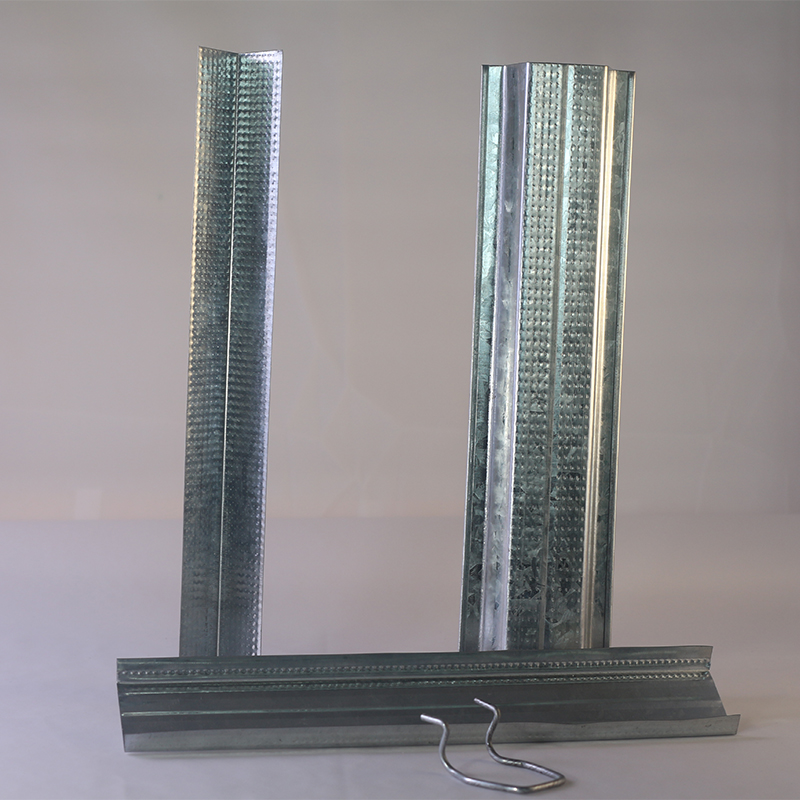
What is furring used for?
Furring is a phrase used in construction that describes the act of leveling a surface for finishing materials like siding, paneling, and drywall by placing thin strips of metal or wood. Furring is frequently utilized for a number of reasons in both exterior and interior construction:
Insulation: Furring can leave a gap for insulation by creating a void between the finished material and the wall or ceiling surface. By lowering heat transfer, this enhances a building's energy efficiency.
Moisture Control: By allowing for improved ventilation and moisture control, furring can help prevent problems like the formation of mold and mildew by creating an air gap between the finished surface and the substrate.
Insulation: Furring can leave a gap for insulation by creating a void between the finished material and the wall or ceiling surface. By lowering heat transfer, this enhances a building's energy efficiency.
Moisture Control: By allowing for improved ventilation and moisture control, furring can help prevent problems like the formation of mold and mildew by creating an air gap between the finished surface and the substrate.
Leveling: Before installing finish materials like drywall or paneling, uneven surfaces like concrete walls or studs are sometimes leveled by furring.
Soundproofing: Furring can assist reduce sound transmission and enhance a room's acoustics by creating an air gap between the substrate and the final surface.
Furring serves as a firm surface for the attachment of finish materials, particularly in circumstances where the substrate may not be appropriate for direct attachment.
Furring can also be used decoratively to add texture or visual appeal to walls and ceilings for aesthetic reasons.
Furring, in general, is essential to guaranteeing the correct installation and functionality of different finishing materials in building projects.
Soundproofing: Furring can assist reduce sound transmission and enhance a room's acoustics by creating an air gap between the substrate and the final surface.
Furring serves as a firm surface for the attachment of finish materials, particularly in circumstances where the substrate may not be appropriate for direct attachment.
Furring can also be used decoratively to add texture or visual appeal to walls and ceilings for aesthetic reasons.
Furring, in general, is essential to guaranteeing the correct installation and functionality of different finishing materials in building projects.
What are the sizes of furring channels?
Furring channels normally come in conventional sizes, though they can change significantly based on the manufacturer and the project's particular needs. Furring channel diameters that are typical include:
Depth: The average depth of furring channels is between 7/8 and 2 1/2 inches. The depth is frequently determined by the planned application and the required gap between the substrate and completed surface.
Width: Furring channels can have a width of 2 1/2 to 7/8 inches. Once more, the breadth could change depending on the manufacturer and the demands of the particular project.
Length: Standard lengths of furring channels, like 10 or 12 feet, are usually offered. However, depending on the source, custom lengths might also be offered.
The precise widths and specifications of furring channels required for your project must be ascertained by consulting with the manufacturer or supplier, as they can differ based on several aspects like the kind of construction, building codes, and structural requirements.
Let’s grow together.We have advanced production equipment,leading production techniques,and strictly quality control.And We manufacture products from high-quality steel coils,products,and sales service make as your one-stop decoration construction supply shop.Hopestar Building is the senior steel manufacturer,the factory has more than 50 sets of production lines for galvanized steel profiles,T grid,and Accessories.The annual product quantity is 20,000 Tons.The factory has developed business with South America,Europe,Africa,and Oceania.we supply and have a commitment to making customers’projects a reality.
Let’s grow together.We have advanced production equipment,leading production techniques,and strictly quality control.And We manufacture products from high-quality steel coils,products,and sales service make as your one-stop decoration construction supply shop.Hopestar Building is the senior steel manufacturer,the factory has more than 50 sets of production lines for galvanized steel profiles,T grid,and Accessories.The annual product quantity is 20,000 Tons.The factory has developed business with South America,Europe,Africa,and Oceania.we supply and have a commitment to making customers’projects a reality.
What is the purpose of an angle bead?
What is a furring channel?
Related Article

Ceiling wall angle, also known as perimeter angle or L-angle, is an indispensable L-shaped metal profile for suspended drywall ceiling systems. Roll-formed from cold-rolled galvanized steel, ceiling wall angle is fixed along the wall perimeter to support the ends of main channels and furring channels,
Ceiling Wall Angle – Galvanized L-Shaped Perimeter Trim for Suspended Drywall Ceilings

Galvanized steel profiles are the foundational metal framing components widely used in modern interior construction. Roll-formed from cold-rolled steel coated with protective zinc layer, galvanized steel profiles cover a full range of shapes including C studs, U tracks, omega channels,
Galvanized Steel Profiles – Reliable Cold Rolled Framing for Drywall Walls and Ceilings

Metal furring channel for ceiling is a vital secondary framing component widely used in suspended ceiling and drywall ceiling systems. Roll-formed from cold-rolled galvanized steel, this lightweight metal profile works together with main channels, hangers and wall angles to create a level,
Metal Furring Channel for Ceiling – Galvanized Secondary Framing for Suspended Drywall Ceilings

Metal omega channel, also widely called omega furring channel or hat channel, is an indispensable secondary metal framing profile for modern suspended ceilings and drywall wall furring systems. Named after its distinctive Ω shape, this profile is roll-formed from cold-rolled galvanized steel
Metal Omega Channel – Galvanized Omega Furring Channel for Drywall Ceiling and Wall Framing