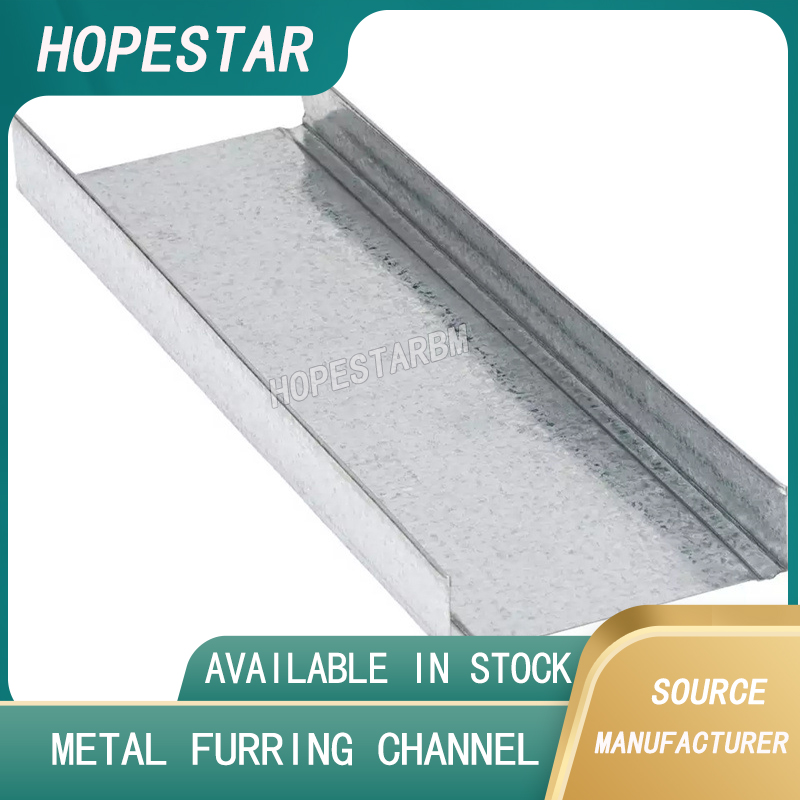
What is a furring channel?
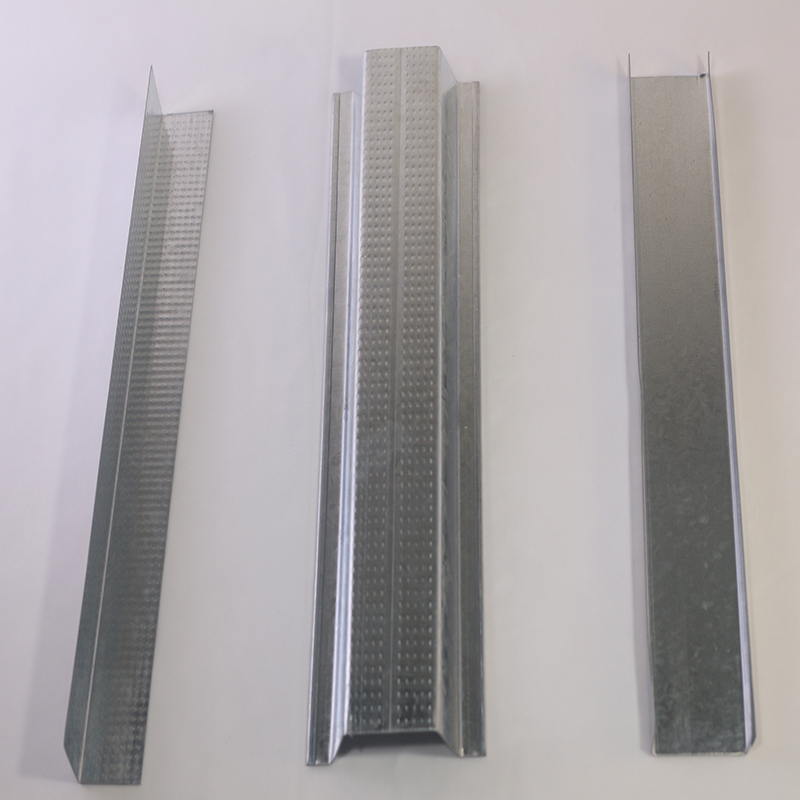
What is a furring channel?
One kind of metal framing element used in construction, especially for interior wall and ceiling systems, is the furring channel. Usually composed of aluminum or galvanized steel, it has the shape of a long, narrow "C". Furring channels serve as a framework for the attachment of drywall, plasterboard, and other finishing materials. They can be placed horizontally or vertically on walls or ceilings.
Furring channels are primarily used to give finishing materials a level, solid surface to connect to while providing room behind walls or ceilings for wiring or insulation. They frequently function together with other framing elements, like joists or studs, to form an entire structural structure.
To meet diverse architectural requirements and building rules, furring channels come in a range of diameters and thicknesses. They are frequently utilized in construction projects, both commercial and residential.
What is the difference between furring and hat channel?
Both furring and hat channels are metal framing elements that are utilized in building, especially for interior wall and ceiling systems. However, they differ in a few ways and have slightly distinct uses:
Purpose
Furring Channel: The main purpose of furring channels is to give finishing materials like paneling, plasterboard, and drywall a secure surface to adhere to. In order to accommodate insulation, wiring, or plumbing, they also make a little opening behind the wall or ceiling.
Hat Channel: Often referred to as robust channels, hat channels are mainly used to lessen sound transmission between floors or rooms and to increase sound insulation. In order to disconnect finishing materials from framing members and lessen the transmission of sound vibrations, they are positioned either vertically or horizontally between them.
Shape
Furring Channel: Furring channels resemble long, thin channels and usually have a "C" shape.
Hat Channel: Hat channels have a recognizable "hat" or "U" shape, resembling the brim of a hat, with a flat base and two perpendicular sides projecting upward.
Installation:
Furring Channel: Using screws or nails, furring channels are often nailed or screwed directly into framing components like studs or joists. The furring grooves are subsequently filled with the finishing materials.
Hat Channel: Hat channels are normally mounted perpendicular to the frame members, with the finishing materials fastened to the perpendicular sides and their flat base fastened to the frame. By separating the finishing materials from the framing, this installation technique enhances sound insulation.
Application:
Furring Channel: When stability and surface support are required for interior wall and ceiling systems, furring channels are frequently utilized in both residential and commercial construction.
Hat Channel: In settings like apartments, condos, recording studios, or home theaters where sound insulation is a top concern, hat channels are widely utilized.
Overall, furring channels and hat channels are both metal framing components used in construction, but they serve distinct functions and have distinct forms. Furring channels are mainly used for surface support and space for insulation, whereas hat channels are more concerned with decoupling and sound insulation.
Let’s grow together.We have advanced production equipment,leading production techniques,and strictly quality control.And We manufacture products from high-quality steel coils,products,and sales service make as your one-stop decoration construction supply shop.Hopestar Building is the senior steel manufacturer,the factory has more than 50 sets of production lines for galvanized steel profiles,T grid,and Accessories.The annual product quantity is 20,000 Tons.The factory has developed business with South America,Europe,Africa,and Oceania.we supply and have a commitment to making customers’projects a reality.
What is furring used for?
The Application of Carrying Channels in Suspended Ceilings
Related Article