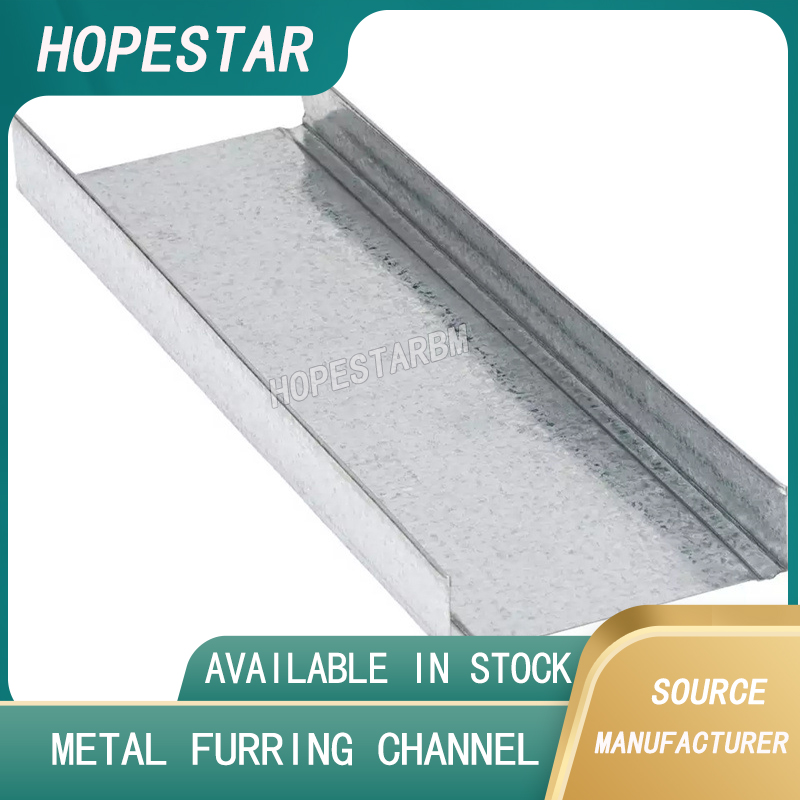
What is double furring?
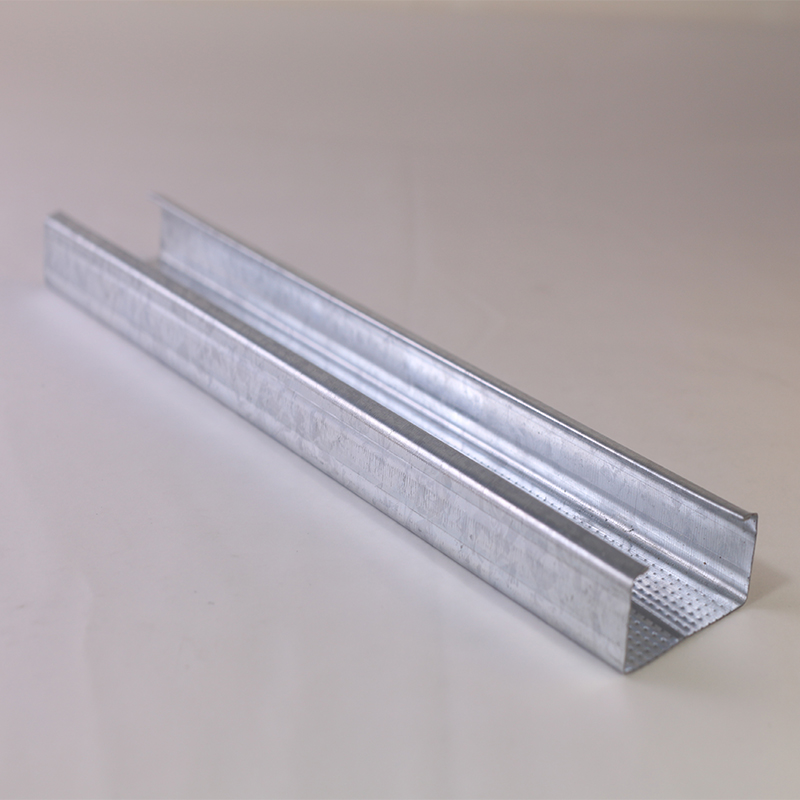
What is double furring?
Double furring is a term for a building method that is mostly applied to the installation of interior walls and ceilings. Furring strips, also called furring channels, are wooden or metal strips that are fastened to joists, walls, or ceilings to create a stable and level surface on which wallboard, paneling, or plasterboard can be affixed. The word "double" in double furring usually refers to the use of two layers, one on top of the other, of these furring strips or channels to provide more space between the wall and the finish surface for plumbing, wiring, or insulation, or to provide a more solid structure.
Double metal furring can be used in ceiling applications to level a ceiling or produce a drop ceiling prior to the drywall or ceiling tile installation. It can be applied to walls to smooth out uneven surfaces or to add an extra layer of insulation by leaving room for insulation to be added.
In order to install double metal furring, the first layer of furring strips or channels must be nailed, screwed, or adhesively fastened to the structural surface. Afterwards, the second layer of furring is put in either parallel or perpendicular to the first, based on the particular needs of the building project, like the need for more strength or room for utilities.
Double furring is particularly useful in renovations and in the construction of interior spaces where creating a smooth, level surface over uneven or damaged walls or ceilings is necessary. It provides a stable mounting surface for finishing materials, helping to ensure a high-quality finish for the interior space.
What is the difference between studs and furring?
Furring and studs are essential building materials, especially when framing and finishing interior walls and ceilings. Nonetheless, they have distinct functions and are employed in various settings during building projects. Comprehending the distinctions between them is crucial for everyone engaged in construction or remodeling.
Studs
Studs refer to the vertical framing members used in wall construction. They are a fundamental part of the wall's structure, providing the main support for the wall and forming the basis for attaching interior and exterior wall coverings, such as drywall or siding. Studs are typically made of wood or metal and are spaced at regular intervals (often 16 or 24 inches on center) along the wall.
Primary Purpose: Structural support for walls.
Material: Wood (lumber) or metal (steel).
Placement: Regular intervals along walls to create a framework for attaching wall coverings.
Usage: Essential for constructing new walls or significantly renovating existing ones.
Furring
Furring, on the other hand, involves the use of strips or panels (furring strips or furring channels) that are attached to walls, ceilings, or floors. The primary purpose of furring is to create a level, smooth surface for the installation of finish materials, or to create space for insulation, electrical wiring, or plumbing. Furring can be applied over existing surfaces, such as concrete or masonry walls, or over studs and joists to provide a flat base for drywall, paneling, or ceiling tiles.
Primary Purpose: Creating a level surface for finishing or adding space for insulation/wiring.
Material: Wood, metal, or composite materials.
Placement: Attached to existing walls, ceilings, or structural members.
Usage: Used in both new construction and renovations, especially for finishing surfaces or improving insulation.
Key Differences
Structural vs. Non-Structural: Studs are a structural element of wall construction, whereas furring is a non-structural element used for finishing or insulation purposes.
Placement: Studs form the basic framework of walls and are spaced at regular intervals to support wall coverings. Furring is attached to existing structures to prepare surfaces for finishing or to add space for utilities.
Purpose: The main purpose of studs is to provide structural support and form the skeleton of the wall. Furring's purpose is to provide a flat, level surface for finishing materials or to create additional space for insulation, wiring, or plumbing.
Both studs and furring are essential in construction, but they serve different roles in the building process. Understanding these differences helps in planning and executing construction or renovation projects effectively.
Double furring sizes vary depending on the particular use in construction; popular sizes include various mixes of thickness and width.
We supply you products of the highest caliber, and the double furring price is fair.
Let’s grow together.We have advanced production equipment,leading production techniques,and strictly quality control.And We manufacture products from high-quality steel coils,products,and sales service make as your one-stop decoration construction supply shop.Hopestar Building is the senior steel manufacturer,the factory has more than 50 sets of production lines for galvanized steel profiles,T grid,and Accessories.The annual product quantity is 20,000 Tons.The factory has developed business with South America,Europe,Africa,and Oceania.we supply and have a commitment to making customers’projects a reality.
Double furring channel size
At what temperature does light steel framing lose its strength?
Related Article