
Applications of Nogging Tracks
2024-08-12
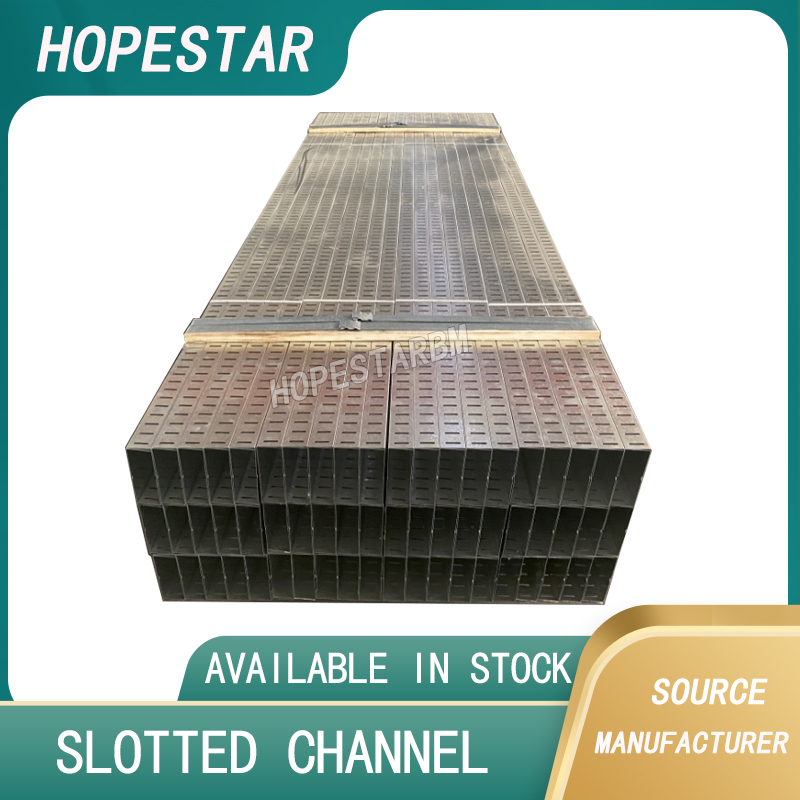
In load-bearing walls, nogging tracks are essential for maintaining the alignment and stability of the studs, ensuring the wall can support the weight above it without bowing or twisting.
Tall Walls:
Tall Walls:
For taller walls, especially those over 10 feet, nogging tracks provide critical intermediate support, preventing the studs from buckling under their own weight or external loads.
Drywall Support:
Drywall Support:
Nogging tracks can also provide additional support for drywall installation. By securing the drywall to the nogging track, it reduces the chances of the drywall sagging or cracking over time.
Fire-Resistant Walls:
Fire-Resistant Walls:
In fire-rated wall assemblies, nogging tracks can help maintain the integrity of the wall by providing additional support that resists deformation under high heat.
Benefits of Using Nogging Tracks
Enhanced Stability: They significantly improve the structural stability of walls, preventing deformation and ensuring a long-lasting structure.
Ease of Installation: Simple to install and can be easily integrated into both metal and wood framing systems.
Versatility: Can be used in various types of walls, including interior partitions, load-bearing walls, and exterior walls.
Compliance: Helps ensure that the construction meets building codes and safety standards, particularly in high-stress environments.
Benefits of Using Nogging Tracks
Enhanced Stability: They significantly improve the structural stability of walls, preventing deformation and ensuring a long-lasting structure.
Ease of Installation: Simple to install and can be easily integrated into both metal and wood framing systems.
Versatility: Can be used in various types of walls, including interior partitions, load-bearing walls, and exterior walls.
Compliance: Helps ensure that the construction meets building codes and safety standards, particularly in high-stress environments.
what is metal furring ceiling?What is the installation process?
nogging track
Related Article

Ceiling wall angle, also known as perimeter angle or L-angle, is an indispensable L-shaped metal profile for suspended drywall ceiling systems. Roll-formed from cold-rolled galvanized steel, ceiling wall angle is fixed along the wall perimeter to support the ends of main channels and furring channels,
Ceiling Wall Angle – Galvanized L-Shaped Perimeter Trim for Suspended Drywall Ceilings
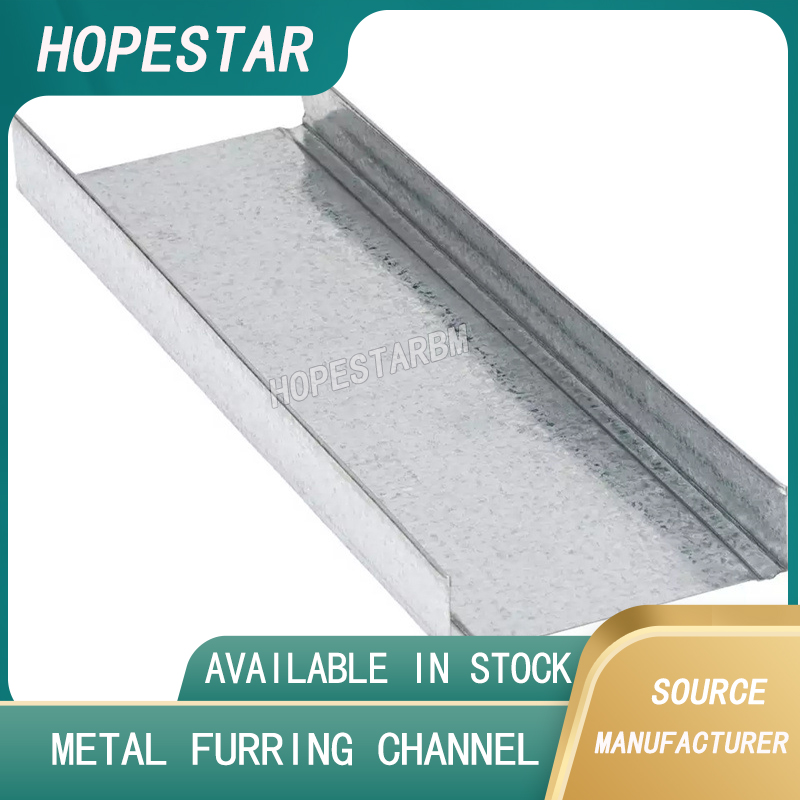
Galvanized steel profiles are the foundational metal framing components widely used in modern interior construction. Roll-formed from cold-rolled steel coated with protective zinc layer, galvanized steel profiles cover a full range of shapes including C studs, U tracks, omega channels,
Galvanized Steel Profiles – Reliable Cold Rolled Framing for Drywall Walls and Ceilings

Metal furring channel for ceiling is a vital secondary framing component widely used in suspended ceiling and drywall ceiling systems. Roll-formed from cold-rolled galvanized steel, this lightweight metal profile works together with main channels, hangers and wall angles to create a level,
Metal Furring Channel for Ceiling – Galvanized Secondary Framing for Suspended Drywall Ceilings

Metal omega channel, also widely called omega furring channel or hat channel, is an indispensable secondary metal framing profile for modern suspended ceilings and drywall wall furring systems. Named after its distinctive Ω shape, this profile is roll-formed from cold-rolled galvanized steel
Metal Omega Channel – Galvanized Omega Furring Channel for Drywall Ceiling and Wall Framing