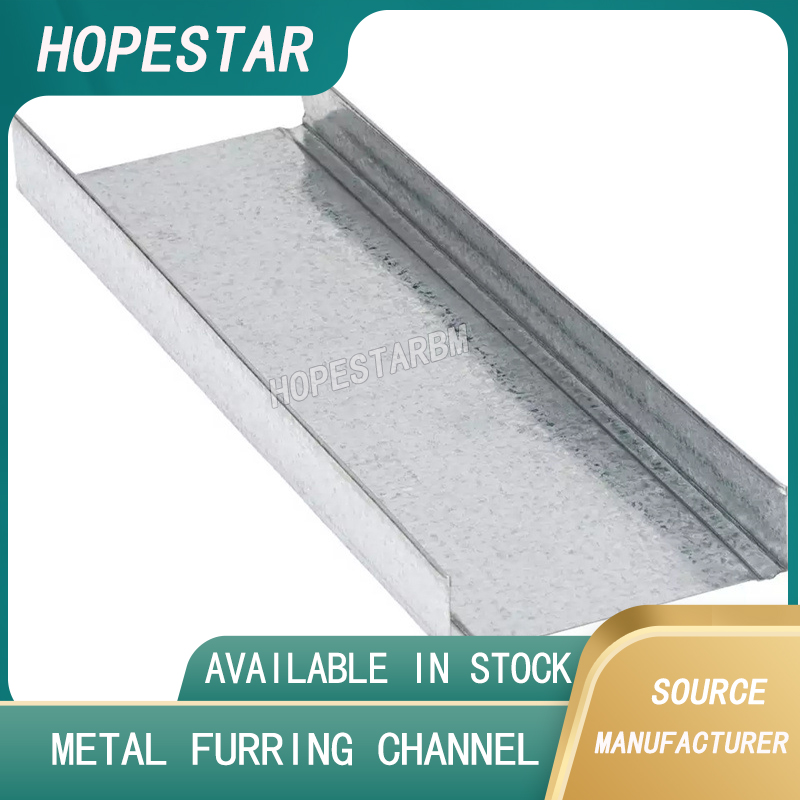
Analysis of the Differences Between Canadian and Australian Light Steel Stud Systems
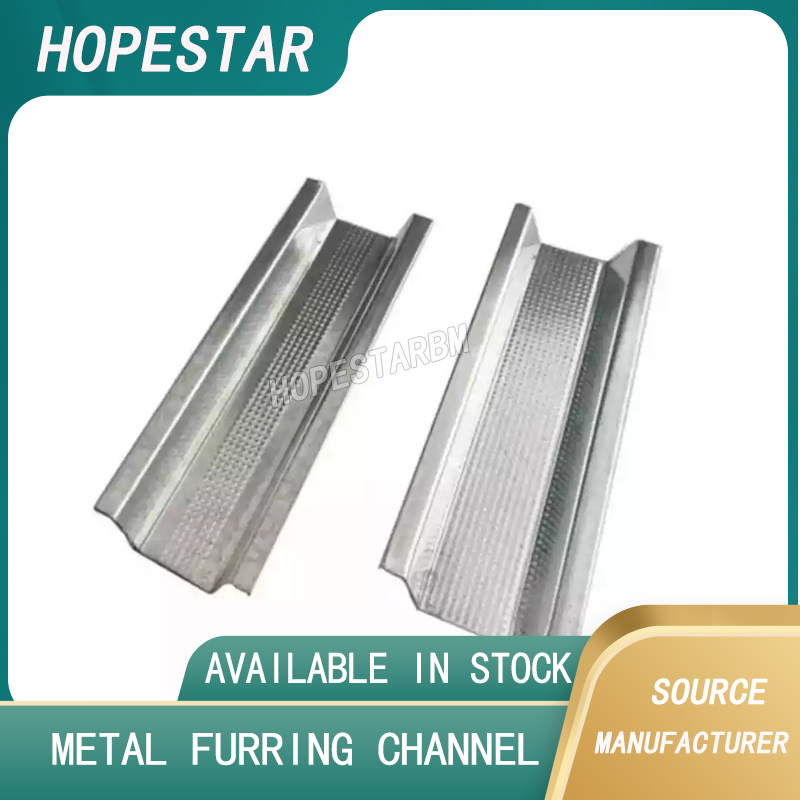
Light steel studs are essential materials in modern ceiling and partition systems. Although both Canadian and Australian systems belong to the same category of galvanized cold-formed steel profiles, national standards create clear differences in dimensions, structure, material requirements, and application scenarios. Among global markets, the Canadian and Australian systems are two of the most widely used. Below is a detailed comparison of their main differences.
First, they follow different national standards.
Canadian light steel studs are produced according to the North American construction system (such as ASTM and CSA standards), which emphasizes structural load-bearing performance and resistance to extremely low temperatures. They are suitable for cold regions with significant temperature variations.
Australian light steel studs, on the other hand, follow AS/NZS 2588, AS/NZS 2785, and related standards, with a stronger focus on corrosion resistance, installation efficiency, and stability in hot and humid climates.
Second, their dimensions and specifications differ.
Common Canadian stud sizes include 25, 38, 51, 64, 76, and 92 mm in width. They are generally thicker and heavier, providing higher wall strength and better acoustic performance.
Australian stud sizes mainly include 64, 70, 76, and 92 mm. Their structure is lighter, and they commonly feature clip-in or snap-in connections, which greatly speed up installation.
In ceiling systems, Canadian studs emphasize load-bearing capacity, while Australian systems prioritize flexibility and quick assembly.
Third, material and galvanizing requirements are different.
Canadian studs typically use high-strength steel designed to resist brittleness in low-temperature environments. They usually have thicker zinc coating layers to withstand cold, wet, and fluctuating climates.
Australian studs often use high-zinc galvanized steel coils (such as Z120–Z275), providing excellent corrosion resistance suitable for coastal or tropical environments.
Installation methods also differ significantly.
Canadian light steel studs generally use a screw-fixed + interlocking structure, offering strong stability and rigidity.
Australian systems commonly use quick snap-in connections, making them highly efficient for large-area ceiling projects.
Both are durable and reliable, but their construction processes follow different habits and structural logic.
Application scenarios also vary.
Canadian light steel studs are widely used in high-rise buildings, commercial complexes, schools, and projects with high acoustic requirements.
Australian studs are more common in residential buildings, shopping malls, and office spaces, where lightweight construction and fast installation are major priorities.
Where Are Perforated Metal Corner Beads Commonly Used?
Differences Between Light Steel Keel Ceiling Systems and Partition Wall Systems
Related Article