
Analysis of advantages and disadvantages of light steel keel suspended ceiling
2024-04-24
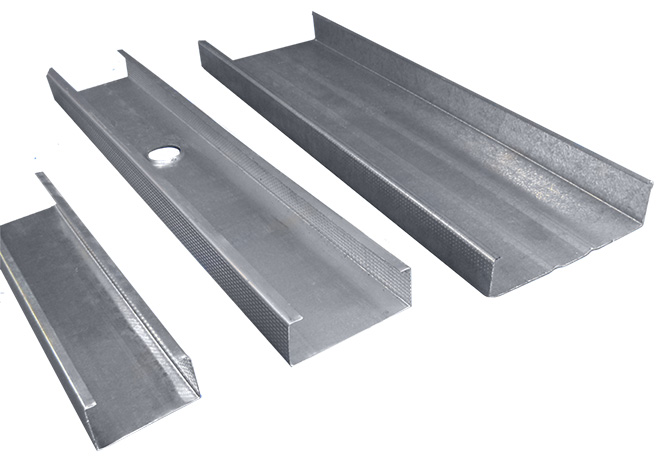
Light steel keel ceiling, as a common ceiling material, is widely used in commercial and home decoration. It provides a beautiful and elegant visual effect for the space with its unique material and structural design, while also having certain practical performance. However, any material has its advantages and disadvantages, and light steel keel ceilings are no exception. Below, we will conduct a detailed analysis of the advantages and disadvantages of light steel keel suspended ceilings.
Advantages analysis:
1. High strength and good stability: The light steel keel ceiling is made of high-strength steel, so it has high structural strength. This material can effectively resist the influence of external factors such as vibration and wind pressure, ensuring the stability and safety of the ceiling.
2. Superior fire resistance: The material of the light steel keel ceiling is non combustible, so it can effectively delay the spread of the fire in the event of a fire, providing valuable time for people's escape and firefighting.
3. Convenient construction and short construction period: The material of the light steel keel ceiling is lightweight, easy to install, and the construction efficiency is high. Compared to traditional ceiling materials, the construction period of light steel keel ceiling is greatly shortened, saving decoration costs and time.
4. Environmental protection and energy conservation: Light steel keel suspended ceilings do not produce harmful substances during production and use, and are non polluting to the environment. Meanwhile, its excellent insulation performance can reduce energy consumption to a certain extent and achieve energy-saving effects.
5. Diverse shapes and elegant appearance: The light steel keel ceiling can be customized according to different decoration styles and needs. Its surface can undergo various treatments, such as spraying, rolling coating, etc., to make the ceiling present rich colors and textures, meeting the decoration needs of different spaces.
Disadvantage analysis:
1. Poor corrosion resistance: The main material of the light steel keel ceiling is steel, which is easily affected by environmental factors such as moisture, acid, and alkali, leading to rust and corrosion. Therefore, certain protective measures need to be taken during installation and use to prevent corrosion from occurring.
2. General sound insulation effect: The material of the light steel keel ceiling is light and thin, and its sound insulation effect is slightly insufficient compared to other ceiling materials such as gypsum board. For spaces that require high sound insulation, such as bedrooms, meeting rooms, etc., additional sound insulation treatment may be required.
3. High price: The material and processing technology of light steel keel ceiling are relatively complex, so its price is higher than traditional ceiling materials such as wooden ceiling and aluminum buckle plate ceiling. This has to some extent increased the cost of decoration.
4. High maintenance cost: Due to the special material of the light steel keel ceiling, once it is damaged or deformed, the cost of repair and replacement is high. Meanwhile, in daily use, regular cleaning and maintenance are required to ensure its good performance.
In summary, light steel keel ceiling, as a common ceiling material, has a wide range of applications in the field of decoration. Its advantages include high strength, good stability, superior fire resistance, convenient construction, environmental protection and energy conservation, and diverse shapes; The disadvantages include poor corrosion resistance, average sound insulation effect, high price, and high maintenance cost. When choosing to use light steel keel suspended ceilings, it is necessary to comprehensively consider its advantages and disadvantages, as well as actual needs and budget factors, in order to make reasonable decisions.
Advantages analysis:
1. High strength and good stability: The light steel keel ceiling is made of high-strength steel, so it has high structural strength. This material can effectively resist the influence of external factors such as vibration and wind pressure, ensuring the stability and safety of the ceiling.
2. Superior fire resistance: The material of the light steel keel ceiling is non combustible, so it can effectively delay the spread of the fire in the event of a fire, providing valuable time for people's escape and firefighting.
3. Convenient construction and short construction period: The material of the light steel keel ceiling is lightweight, easy to install, and the construction efficiency is high. Compared to traditional ceiling materials, the construction period of light steel keel ceiling is greatly shortened, saving decoration costs and time.
4. Environmental protection and energy conservation: Light steel keel suspended ceilings do not produce harmful substances during production and use, and are non polluting to the environment. Meanwhile, its excellent insulation performance can reduce energy consumption to a certain extent and achieve energy-saving effects.
5. Diverse shapes and elegant appearance: The light steel keel ceiling can be customized according to different decoration styles and needs. Its surface can undergo various treatments, such as spraying, rolling coating, etc., to make the ceiling present rich colors and textures, meeting the decoration needs of different spaces.
Disadvantage analysis:
1. Poor corrosion resistance: The main material of the light steel keel ceiling is steel, which is easily affected by environmental factors such as moisture, acid, and alkali, leading to rust and corrosion. Therefore, certain protective measures need to be taken during installation and use to prevent corrosion from occurring.
2. General sound insulation effect: The material of the light steel keel ceiling is light and thin, and its sound insulation effect is slightly insufficient compared to other ceiling materials such as gypsum board. For spaces that require high sound insulation, such as bedrooms, meeting rooms, etc., additional sound insulation treatment may be required.
3. High price: The material and processing technology of light steel keel ceiling are relatively complex, so its price is higher than traditional ceiling materials such as wooden ceiling and aluminum buckle plate ceiling. This has to some extent increased the cost of decoration.
4. High maintenance cost: Due to the special material of the light steel keel ceiling, once it is damaged or deformed, the cost of repair and replacement is high. Meanwhile, in daily use, regular cleaning and maintenance are required to ensure its good performance.
In summary, light steel keel ceiling, as a common ceiling material, has a wide range of applications in the field of decoration. Its advantages include high strength, good stability, superior fire resistance, convenient construction, environmental protection and energy conservation, and diverse shapes; The disadvantages include poor corrosion resistance, average sound insulation effect, high price, and high maintenance cost. When choosing to use light steel keel suspended ceilings, it is necessary to comprehensively consider its advantages and disadvantages, as well as actual needs and budget factors, in order to make reasonable decisions.
What is the service life of light steel keel partition walls
Which company is good for light steel keel suspended ceiling
Related Article

Ceiling wall angle, also known as perimeter angle or L-angle, is an indispensable L-shaped metal profile for suspended drywall ceiling systems. Roll-formed from cold-rolled galvanized steel, ceiling wall angle is fixed along the wall perimeter to support the ends of main channels and furring channels,
Ceiling Wall Angle – Galvanized L-Shaped Perimeter Trim for Suspended Drywall Ceilings
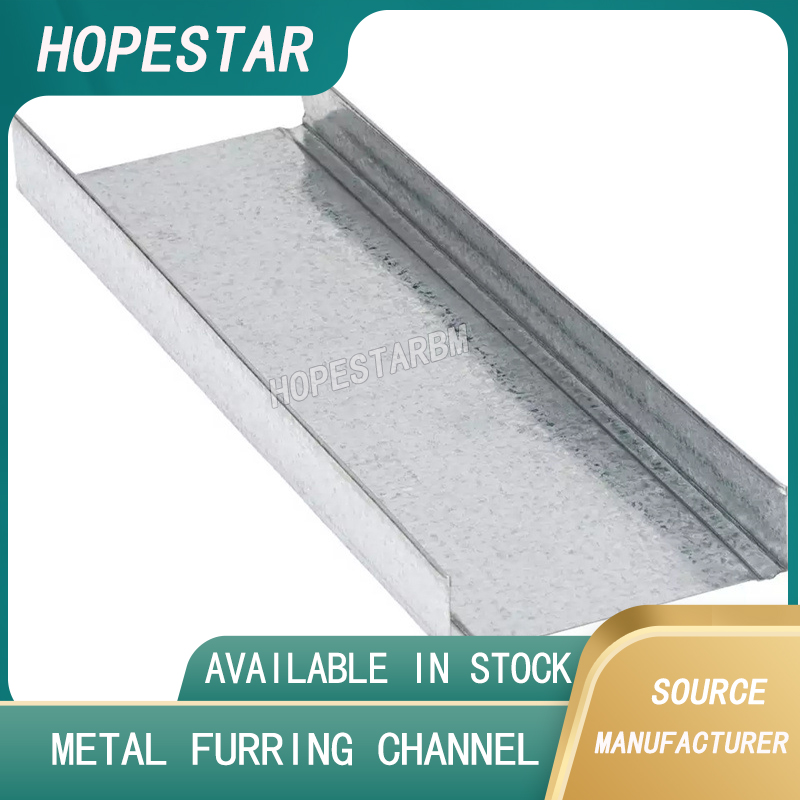
Galvanized steel profiles are the foundational metal framing components widely used in modern interior construction. Roll-formed from cold-rolled steel coated with protective zinc layer, galvanized steel profiles cover a full range of shapes including C studs, U tracks, omega channels,
Galvanized Steel Profiles – Reliable Cold Rolled Framing for Drywall Walls and Ceilings

Metal furring channel for ceiling is a vital secondary framing component widely used in suspended ceiling and drywall ceiling systems. Roll-formed from cold-rolled galvanized steel, this lightweight metal profile works together with main channels, hangers and wall angles to create a level,
Metal Furring Channel for Ceiling – Galvanized Secondary Framing for Suspended Drywall Ceilings

Metal omega channel, also widely called omega furring channel or hat channel, is an indispensable secondary metal framing profile for modern suspended ceilings and drywall wall furring systems. Named after its distinctive Ω shape, this profile is roll-formed from cold-rolled galvanized steel
Metal Omega Channel – Galvanized Omega Furring Channel for Drywall Ceiling and Wall Framing