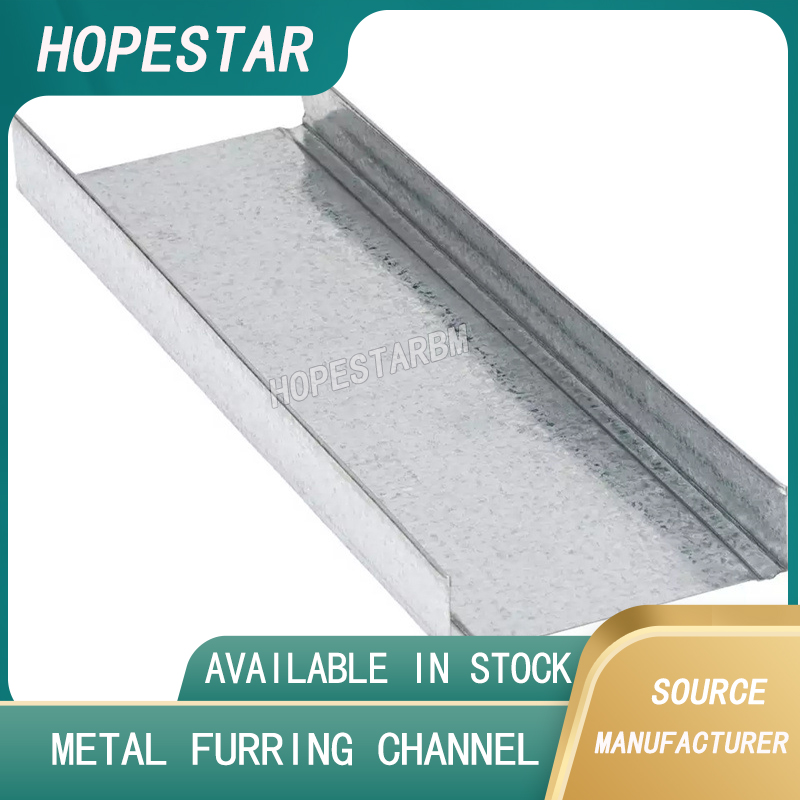
Aluminum Furring Channel for Drywall Installation
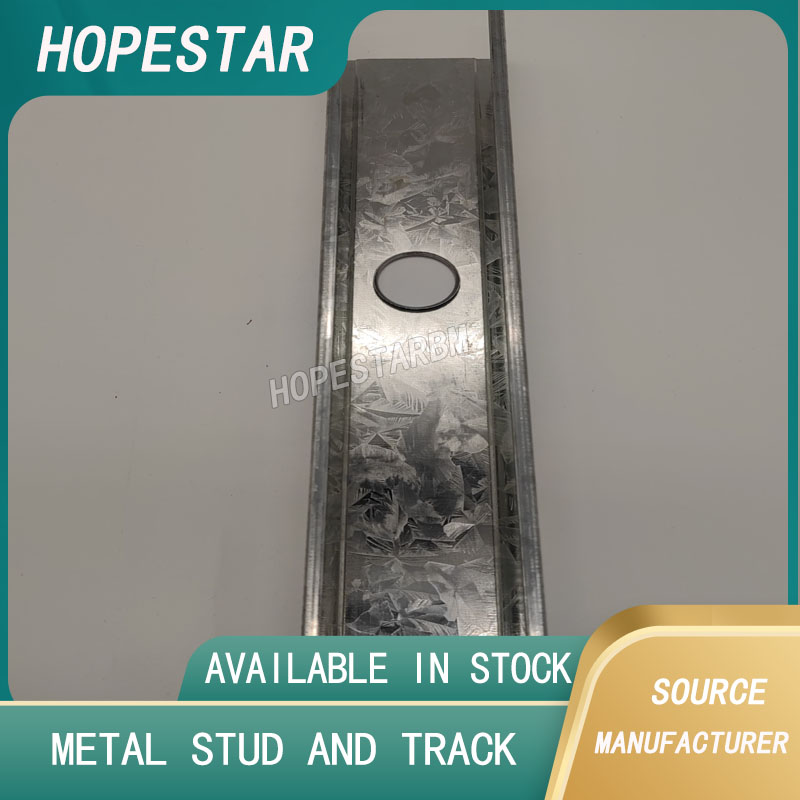
When it comes to constructing or remodeling interior spaces, especially for commercial and residential drywall systems, choosing the right framing material is critical. Aluminum furring channels have become an increasingly popular option for drywall installation, offering a range of advantages over traditional steel or wood systems. Known for their lightweight structure, corrosion resistance, and ease of installation, aluminum furring channels provide long-lasting performance and structural reliability.
What is an Aluminum Furring Channel?
An aluminum furring channel is a metal profile, typically U-shaped or hat-shaped, used to create a level surface to support drywall panels. It is fixed to walls or ceilings, providing a secure substructure to which drywall boards can be screwed. These channels are widely used in both metal stud framing systems and direct wall cladding systems, especially in environments where moisture and rust are concerns.
Benefits of Using Aluminum Furring Channels
1. Lightweight and Easy to Handle
Aluminum is significantly lighter than steel, making it much easier to transport, lift, and install. This is especially valuable in ceiling applications or high-rise projects where reducing dead load is essential.
2. Corrosion Resistance
Unlike regular steel channels that may rust over time, aluminum furring channels are naturally resistant to corrosion. This makes them ideal for humid or damp environments, such as basements, bathrooms, kitchens, and coastal areas.
3. Non-magnetic and Thermally Stable
Aluminum does not interfere with electromagnetic signals, making it suitable for use in areas with electronic equipment or sensitive wiring. Additionally, it offers good thermal stability, reducing warping or expansion due to heat.
4. Easy Installation and Versatile Applications
Aluminum furring channels can be easily cut and shaped to fit complex architectural designs. They are compatible with most common drywall screws and fasteners, making them convenient for standard installation methods.
5. Long-Term Cost Savings
Although the initial cost of aluminum may be higher than steel, the reduced maintenance, longer service life, and minimal risk of corrosion often lead to lower total ownership costs.
Fire-Rated Aluminum Furring Channel System
What size are hat channels?
Related Article