
Aluminum Furring Channel Characteristic
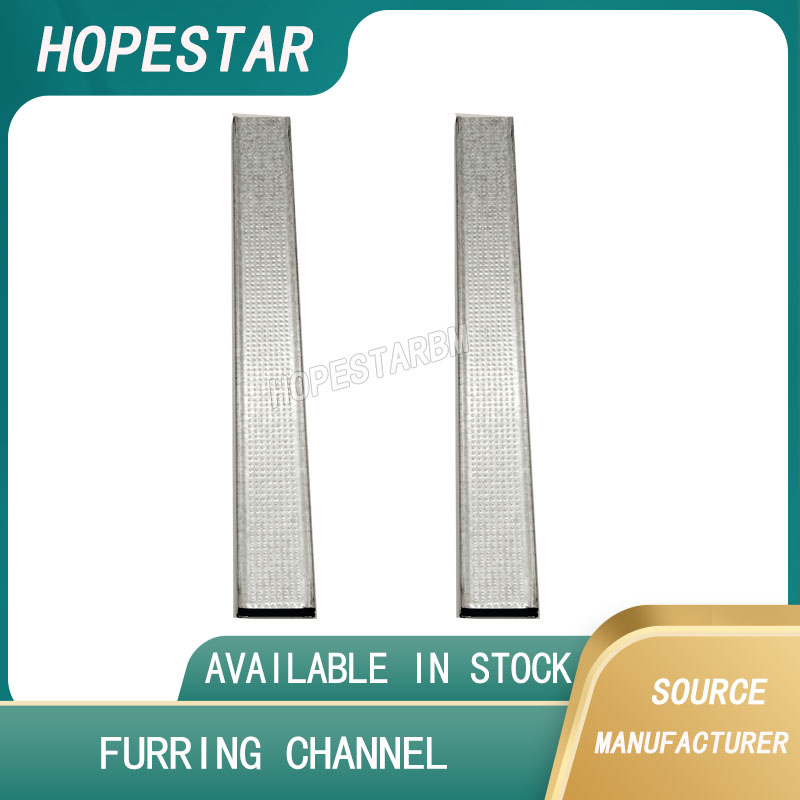
Aluminum furring channels are lightweight metal framing components used to create a level surface for attaching interior or exterior finishes such as drywall, paneling, or cladding. Compared to steel, aluminum offers unique benefits that make it suitable for specific applications.
Key Characteristics of Aluminum Furring Channels
-
Lightweight
-
Aluminum is significantly lighter than steel, making it easier to handle, transport, and install—especially in overhead or high-elevation applications.
-
-
Corrosion Resistance
-
Naturally resistant to rust and corrosion without the need for galvanizing, ideal for humid, coastal, or chemically-exposed environments.
-
-
Non-Magnetic & Non-Combustible
-
Does not conduct magnetic fields and is non-flammable, making it suitable for specialized commercial or industrial environments.
-
-
Durability and Longevity
-
Maintains structural integrity over time with minimal maintenance, even in aggressive environments.
-
-
Workability
-
Easier to cut, drill, and shape compared to steel, which speeds up installation and allows for on-site modifications.
-
-
Clean Surface Finish
-
Often comes with a smooth or anodized finish, providing a clean, modern appearance if left exposed.
-
-
Recyclability
-
Environmentally friendly due to its high recyclability and lower embodied carbon compared to many other metals.
-
-
Thermal Conductivity
-
Higher thermal conductivity than steel, which can be a consideration in thermal bridging calculations (especially in insulated systems).
-
C-profile metal furring channel
metal l-shaped corner bead
Related Article



