
Aluminium Foil Insulation
2026-07-17
Aluminium foil insulation is a premium reflective building material widely used in residential, commercial, and industrial construction. Designed to block radiant heat transfer, this versatile insulation solution outperforms traditional foam and fiber insulation in energy efficiency, durability, and adaptability. For roofs, walls, attics, pipelines, and steel structure buildings, aluminium foil insulation delivers stable thermal protection all year round, making it a top choice for energy-saving building upgrades and new construction projects worldwide.
The biggest advantage of aluminium foil insulation is its exceptional radiant heat reflection capability. Unlike conventional insulation materials that only slow down heat conduction, high-purity aluminium foil can reflect up to 97% of solar radiant heat. In hot summer seasons, it effectively blocks external heat from entering indoor spaces, significantly lowering room temperatures and cutting air conditioning energy consumption by 20% to 30%. During cold winters, the foil layer locks indoor heat inside, reducing heat loss and maintaining a warm, comfortable indoor environment. This dual-temperature regulation feature makes it suitable for all extreme and mild climate regions.
Superior durability and weather resistance make aluminium foil insulation a long-term cost-effective solution. Processed with professional anti-oxidation and anti-corrosion treatments, the aluminium foil surface resists ultraviolet radiation, rain erosion, and air oxidation. It will not crack, fade, or deform after long-term outdoor exposure, retaining complete thermal performance for more than 50 years. Additionally, the material is waterproof, moisture-proof, and mold-proof, avoiding common problems of traditional insulation such as damp failure and mildew growth. Its lightweight structure adds no extra burden to building walls, roofs, and mechanical equipment.
Easy installation and wide applicability further enhance the practical value of aluminium foil insulation. The flexible, foldable, and cuttable design allows quick on-site construction without complex tools or professional skills, greatly shortening construction cycles and saving labor costs. It can be perfectly matched with metal frame buildings, prefab houses, factory workshops, residential attics, and HVAC pipeline systems. Moreover, it requires almost no daily maintenance, helping property owners reduce long-term operation and renovation costs.
Eco-friendliness and safety are also core strengths of aluminium foil insulation. The material contains no toxic chemicals, harmful gases, or peculiar smells, complying with international green building standards. Aluminium is 100% recyclable, which greatly reduces construction waste and environmental pollution. Meanwhile, it features excellent flame-retardant properties, effectively inhibiting fire spread and improving the overall fire safety level of buildings.
In short, aluminium foil insulation is an efficient, durable, and eco-friendly thermal insulation material. With outstanding heat reflection performance, strong weather resistance, and convenient installation, it has become an essential material for modern energy-saving construction. For any building thermal insulation project, aluminium foil insulation is a reliable and future-proof investment choice.
Steel Frame for House
Aluminum Thermal Insulation Sheet
Related Article

Ceiling wall angle, also known as perimeter angle or L-angle, is an indispensable L-shaped metal profile for suspended drywall ceiling systems. Roll-formed from cold-rolled galvanized steel, ceiling wall angle is fixed along the wall perimeter to support the ends of main channels and furring channels,
Ceiling Wall Angle – Galvanized L-Shaped Perimeter Trim for Suspended Drywall Ceilings

Galvanized steel profiles are the foundational metal framing components widely used in modern interior construction. Roll-formed from cold-rolled steel coated with protective zinc layer, galvanized steel profiles cover a full range of shapes including C studs, U tracks, omega channels,
Galvanized Steel Profiles – Reliable Cold Rolled Framing for Drywall Walls and Ceilings

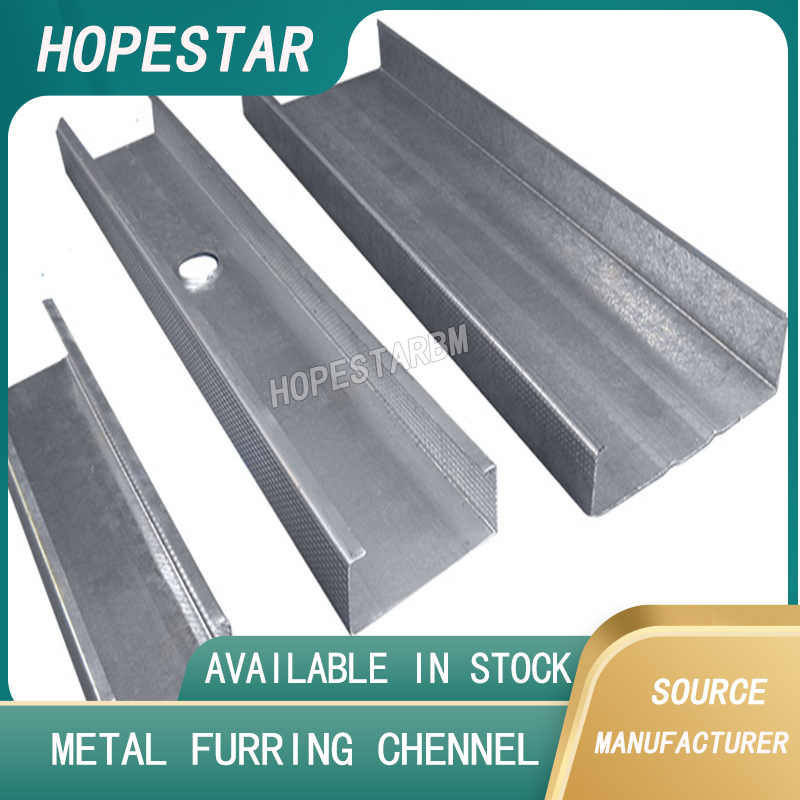
Metal furring channel for ceiling is a vital secondary framing component widely used in suspended ceiling and drywall ceiling systems. Roll-formed from cold-rolled galvanized steel, this lightweight metal profile works together with main channels, hangers and wall angles to create a level,
Metal Furring Channel for Ceiling – Galvanized Secondary Framing for Suspended Drywall Ceilings

Metal omega channel, also widely called omega furring channel or hat channel, is an indispensable secondary metal framing profile for modern suspended ceilings and drywall wall furring systems. Named after its distinctive Ω shape, this profile is roll-formed from cold-rolled galvanized steel
Metal Omega Channel – Galvanized Omega Furring Channel for Drywall Ceiling and Wall Framing