
Advantages of Using Metal Hat Channel in Wall and Ceiling Construction
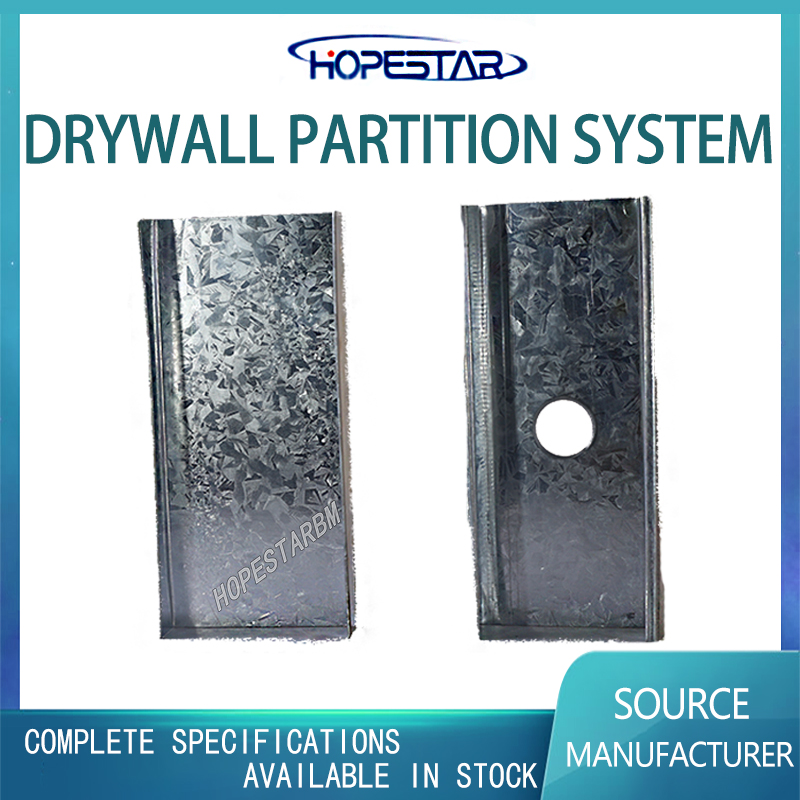
In the construction and interior finishing industries, the metal hat channel has become a popular and reliable choice for creating strong, stable, and level wall and ceiling systems. Known for its distinctive hat-shaped profile, this versatile metal framing component offers excellent performance in both residential and commercial applications. From soundproofing to structural support, the metal hat channel plays a vital role in achieving high-quality building results.
What Is a Metal Hat Channel?
A metal hat channel is a type of cold-rolled steel framing member that resembles the shape of a hat when viewed from the side. It features a flat top and flared edges, which provide superior strength and stability when fastened to walls, ceilings, or floor assemblies. Typically made of galvanized steel, hat channels resist rust, corrosion, and deformation, making them suitable for long-term use in demanding environments.
Key Benefits of Metal Hat Channel
The metal hat channel offers multiple advantages that make it an essential part of modern construction projects. One of its primary benefits is its ability to create a smooth and even surface for drywall installation. It helps correct uneven wall surfaces and provides a solid base for attaching drywall sheets, panels, or cladding materials.
In addition, hat channels are excellent for soundproofing. When used in combination with insulation materials or resilient clips, they help reduce noise transmission between rooms or floors. This makes them ideal for offices, apartments, studios, and schools where acoustic performance is important.
Another major advantage is fire and moisture resistance. Since the metal hat channel is made of non-combustible steel, it adds fire safety to any structure. Its galvanized coating prevents rust and moisture absorption, extending the life of the entire framing system.
Common Applications
The metal hat channel is used in a wide range of applications, including walls, ceilings, roofs, and exterior facades. In wall assemblies, it serves as a horizontal furring strip to hold drywall or cement boards securely in place. In ceiling systems, it provides a level surface for mounting tiles, panels, or lighting fixtures. The channel can also be used as part of suspended ceiling grids or cladding support structures.
Easy Installation and Compatibility
Installing a metal hat channel is simple and efficient. It can be attached to concrete, masonry, wood, or steel framing using screws, anchors, or welding, depending on the design requirements. Pre-punched holes simplify wiring and piping, while its lightweight nature makes it easy to handle and transport on job sites.
A Sustainable and Cost-Effective Choice
Using metal hat channels contributes to sustainable building practices. Steel is fully recyclable, reducing waste and environmental impact. Furthermore, because hat channels are long-lasting and require little maintenance, they offer excellent cost-efficiency over the lifetime of the building.
Conclusion
The metal hat channel is more than just a framing component — it’s a key element that enhances structural performance, sound insulation, and fire safety. With its strength, versatility, and durability, it continues to be a trusted solution for architects and contractors aiming to deliver superior wall and ceiling systems. Whether for new construction or renovation, the metal hat channel ensures precision, stability, and lasting quality in every project.
Why Metal Building Hat Channel Is the Key to Strong and Durable Structures
The Essential Role of Drywall Furring Channel in Modern Wall Systems
Related Article



