
acoustic furring channel
2024-07-04

In modern architectural acoustic design, acoustic furring channels are increasingly favored by designers and architects as an effective acoustic treatment method. acoustic furring channel,Acoustic ceiling channels can not only effectively reduce indoor noise, but also improve sound quality, creating a more comfortable and peaceful indoor environment for residents. This article will provide a detailed introduction to the working principle, installation method, application site, advantages and limitations of acoustic ceiling channels, providing readers with a comprehensive and in-depth understanding.
1、 The working principle of acoustic ceiling channels
Acoustic ceiling channel is a metal or plastic structure installed inside the ceiling, filled with sound-absorbing materials. When sound waves hit the ceiling, it vibrates and transmits the sound waves to the acoustic ceiling channel. The sound-absorbing material inside the acoustic ceiling channel can absorb the energy of sound waves, thereby reducing indoor noise levels. At the same time, acoustic furring channel,the design of acoustic ceiling channels can also change the direction of sound wave propagation, reduce the reflection and resonance of sound waves in the room, and thus improve sound quality.
2、 Installation method for acoustic ceiling channels
The installation of acoustic ceiling channels usually involves the following steps:
1. Measuring ceiling dimensions: Firstly, it is necessary to accurately measure the length, width, and height of the ceiling to ensure that the dimensions of the acoustic ceiling channel match the ceiling.
2. Determine installation location: Based on the characteristics of the indoor space and acoustic requirements, acoustic furring channel,determine the installation location of the acoustic ceiling channel. In general, acoustic ceiling channels should be evenly distributed inside the ceiling to achieve the best noise reduction effect.
3. Install ceiling keel: Install keel inside the ceiling to support acoustic ceiling channels. The installation of the keel should be firm and flat to ensure the stability and safety of the acoustic ceiling channel.
4. Install acoustic ceiling channel: Fix the acoustic ceiling channel on the keel to ensure it is tightly attached to the ceiling. During the installation process, attention should be paid to maintaining the flatness and verticality of the acoustic ceiling channel to ensure its sound absorption effect.
5. Filling sound-absorbing materials: Fill the interior of the acoustic ceiling channel with sound-absorbing materials such as mineral wool, acoustic furring channel,glass wool, etc. The filling of sound-absorbing materials should be uniform and tight to ensure their sound absorption effect.
6. Closed ceiling: Finally, close the ceiling and complete the installation of the acoustic ceiling channel.
3、 Application sites for acoustic ceiling channels
Acoustic ceiling channels are widely used in various places that require reducing indoor noise and improving sound quality, such as:
1. Conference room: The conference room is an important place for business negotiations and decision-making, and requires quiet and clear sound quality. Acoustic ceiling channels can effectively reduce noise interference inside and outside the conference room, and improve conference efficiency.
2. Theaters, music halls: Theaters, music halls, and other performing arts venues have extremely high requirements for sound quality. Acoustic ceiling channels can reduce the reflection and resonance of sound waves indoors, improve sound quality, and enable audiences to enjoy a more pure and natural music experience.
3. Library and Reading Room: The library and reading room need to maintain a quiet reading environment. Acoustic ceiling channels can reduce indoor noise levels and provide readers with a more peaceful and comfortable reading space.
4. Restaurants and cafes: Places such as restaurants and cafes need to create a comfortable and relaxed atmosphere. Acoustic ceiling channels can reduce indoor noise levels and provide customers with a more pleasant and comfortable dining environment.
4、 The advantages and limitations of acoustic ceiling channels
As an effective acoustic treatment method, acoustic ceiling channels have the following advantages:
1. Significant noise reduction effect: Acoustic ceiling channels can significantly reduce indoor noise levels and improve sound quality.
2. Easy installation: The installation process of acoustic ceiling channels is relatively simple, without the need to damage the original ceiling structure.
3. Wide application range: Acoustic ceiling channels are suitable for various places that need to reduce indoor noise and improve sound quality.
However, there are also some limitations to acoustic ceiling channels:
1. High cost: The production and installation costs of acoustic ceiling channels are relatively high, which may increase the total investment of the project.
2. Difficulty in later maintenance: After the installation of the acoustic ceiling channel, acoustic furring channel,if maintenance or replacement of sound-absorbing materials is required, the ceiling structure needs to be removed, which is quite troublesome.
In summary, acoustic ceiling channels, acoustic furring channel,as an effective acoustic processing method, have broad application prospects in modern architectural acoustic design. In practical applications, appropriate acoustic ceiling channel types and installation methods should be selected based on the characteristics and acoustic requirements of specific locations, in order to achieve the best noise reduction and sound quality improvement effects.
1、 The working principle of acoustic ceiling channels
Acoustic ceiling channel is a metal or plastic structure installed inside the ceiling, filled with sound-absorbing materials. When sound waves hit the ceiling, it vibrates and transmits the sound waves to the acoustic ceiling channel. The sound-absorbing material inside the acoustic ceiling channel can absorb the energy of sound waves, thereby reducing indoor noise levels. At the same time, acoustic furring channel,the design of acoustic ceiling channels can also change the direction of sound wave propagation, reduce the reflection and resonance of sound waves in the room, and thus improve sound quality.
2、 Installation method for acoustic ceiling channels
The installation of acoustic ceiling channels usually involves the following steps:
1. Measuring ceiling dimensions: Firstly, it is necessary to accurately measure the length, width, and height of the ceiling to ensure that the dimensions of the acoustic ceiling channel match the ceiling.
2. Determine installation location: Based on the characteristics of the indoor space and acoustic requirements, acoustic furring channel,determine the installation location of the acoustic ceiling channel. In general, acoustic ceiling channels should be evenly distributed inside the ceiling to achieve the best noise reduction effect.
3. Install ceiling keel: Install keel inside the ceiling to support acoustic ceiling channels. The installation of the keel should be firm and flat to ensure the stability and safety of the acoustic ceiling channel.
4. Install acoustic ceiling channel: Fix the acoustic ceiling channel on the keel to ensure it is tightly attached to the ceiling. During the installation process, attention should be paid to maintaining the flatness and verticality of the acoustic ceiling channel to ensure its sound absorption effect.
5. Filling sound-absorbing materials: Fill the interior of the acoustic ceiling channel with sound-absorbing materials such as mineral wool, acoustic furring channel,glass wool, etc. The filling of sound-absorbing materials should be uniform and tight to ensure their sound absorption effect.
6. Closed ceiling: Finally, close the ceiling and complete the installation of the acoustic ceiling channel.
3、 Application sites for acoustic ceiling channels
Acoustic ceiling channels are widely used in various places that require reducing indoor noise and improving sound quality, such as:
1. Conference room: The conference room is an important place for business negotiations and decision-making, and requires quiet and clear sound quality. Acoustic ceiling channels can effectively reduce noise interference inside and outside the conference room, and improve conference efficiency.
2. Theaters, music halls: Theaters, music halls, and other performing arts venues have extremely high requirements for sound quality. Acoustic ceiling channels can reduce the reflection and resonance of sound waves indoors, improve sound quality, and enable audiences to enjoy a more pure and natural music experience.
3. Library and Reading Room: The library and reading room need to maintain a quiet reading environment. Acoustic ceiling channels can reduce indoor noise levels and provide readers with a more peaceful and comfortable reading space.
4. Restaurants and cafes: Places such as restaurants and cafes need to create a comfortable and relaxed atmosphere. Acoustic ceiling channels can reduce indoor noise levels and provide customers with a more pleasant and comfortable dining environment.
4、 The advantages and limitations of acoustic ceiling channels
As an effective acoustic treatment method, acoustic ceiling channels have the following advantages:
1. Significant noise reduction effect: Acoustic ceiling channels can significantly reduce indoor noise levels and improve sound quality.
2. Easy installation: The installation process of acoustic ceiling channels is relatively simple, without the need to damage the original ceiling structure.
3. Wide application range: Acoustic ceiling channels are suitable for various places that need to reduce indoor noise and improve sound quality.
However, there are also some limitations to acoustic ceiling channels:
1. High cost: The production and installation costs of acoustic ceiling channels are relatively high, which may increase the total investment of the project.
2. Difficulty in later maintenance: After the installation of the acoustic ceiling channel, acoustic furring channel,if maintenance or replacement of sound-absorbing materials is required, the ceiling structure needs to be removed, which is quite troublesome.
In summary, acoustic ceiling channels, acoustic furring channel,as an effective acoustic processing method, have broad application prospects in modern architectural acoustic design. In practical applications, appropriate acoustic ceiling channel types and installation methods should be selected based on the characteristics and acoustic requirements of specific locations, in order to achieve the best noise reduction and sound quality improvement effects.
steel furring channel
furring channel cad block
Related Article

Ceiling wall angle, also known as perimeter angle or L-angle, is an indispensable L-shaped metal profile for suspended drywall ceiling systems. Roll-formed from cold-rolled galvanized steel, ceiling wall angle is fixed along the wall perimeter to support the ends of main channels and furring channels,
Ceiling Wall Angle – Galvanized L-Shaped Perimeter Trim for Suspended Drywall Ceilings
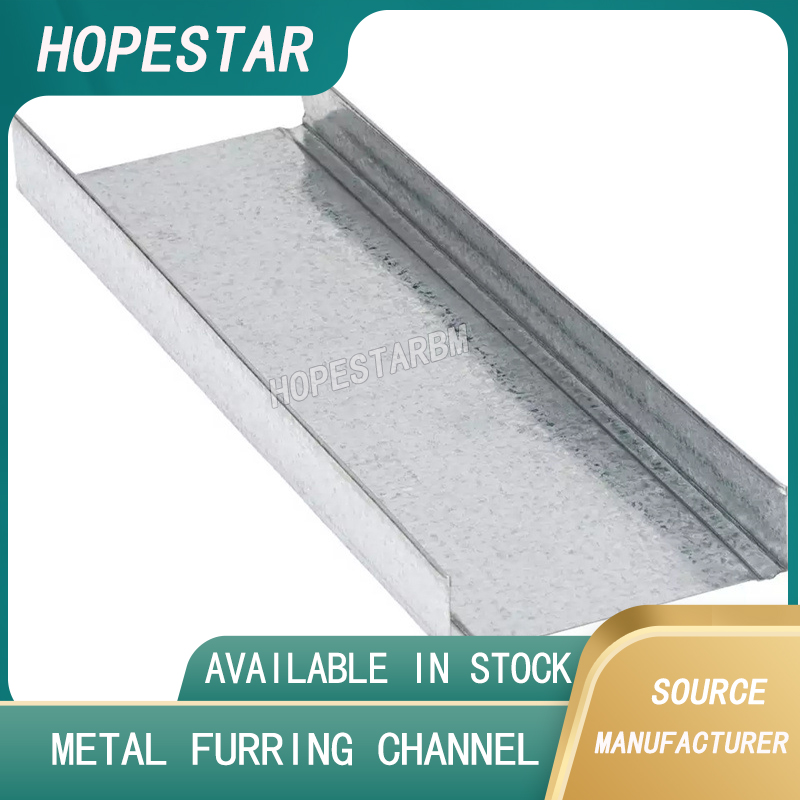
Galvanized steel profiles are the foundational metal framing components widely used in modern interior construction. Roll-formed from cold-rolled steel coated with protective zinc layer, galvanized steel profiles cover a full range of shapes including C studs, U tracks, omega channels,
Galvanized Steel Profiles – Reliable Cold Rolled Framing for Drywall Walls and Ceilings

Metal furring channel for ceiling is a vital secondary framing component widely used in suspended ceiling and drywall ceiling systems. Roll-formed from cold-rolled galvanized steel, this lightweight metal profile works together with main channels, hangers and wall angles to create a level,
Metal Furring Channel for Ceiling – Galvanized Secondary Framing for Suspended Drywall Ceilings

Metal omega channel, also widely called omega furring channel or hat channel, is an indispensable secondary metal framing profile for modern suspended ceilings and drywall wall furring systems. Named after its distinctive Ω shape, this profile is roll-formed from cold-rolled galvanized steel
Metal Omega Channel – Galvanized Omega Furring Channel for Drywall Ceiling and Wall Framing