
Metal Stud Sizes.Non-ferrous metals are shining
2022-10-05
Metal Stud Sizes.Non-ferrous metals are shining. The alchemist Magraf found that the nature of the white powder was completely different from that of lime. After dissolving with sulfuric acid, he evaporated the water and got the crystal of alum, so he inferred that the white powder was a component and named the white powder bauxite. and regard it as his own stunt.
Then in 1789 the chemists Lavasier and de Mou added bauxite to their list of elements, but de Mou himself denied this conclusion, thinking that the chemical element might not be bauxite itself, but a component of it.
Decades later, chemist David was also inspired by de Mou to look for new elements in electrolytic soda. After he successfully decomposed sodium, potassium, magnesium and calcium with electric current, he turned his attention to bauxite, quartz, zircon and Beryl. After careful study, he determined that there was the answer he wanted in these substances: "how lucky I am. Now there is ample evidence to prove it." There are metal elements I hope to find, which I call silicon, aluminum, zirconium and beryllium. " However, to David's surprise, all he got was iron and aluminum alloy, not pure aluminum.
It was not until 1825 that the Danish scientist Oster dissolved potassium in mercury and let the unavailable potassium amalgam react with anhydrous aluminum chloride, resulting in a new metal, pure aluminum.
In this way, the metal aluminum, which has been hidden in various compounds, has finally met with human beings in this way.
Although aluminum is known in the laboratory, there are still many problems before its large-scale production, among which the most prominent contradiction is the high manufacturing cost of aluminum.
Although the French chemist Deville tried to use sodium instead of potassium to reduce aluminum chloride, the cost is still unaffordable for ordinary people. In fact, until the 1880s, aluminum was very expensive.
At the Paris Fair in 1855, aluminum was exhibited as a noble metal along with a crown jewel with a label marked "Silver from Clay".
At that time, an ounce (30g) of aluminum was about the same as the average worker's daily salary. There are two main problems in the method of preparing aluminum in the laboratory. first, the compounds of reducing aluminum are potassium and sodium, both of which are very expensive metals, and they are also vulnerable to moisture and difficult to preserve. Second, electricity was just used at that time. Electrolytic aluminum needs to reach a high temperature of 2300 degrees, and the energy consumption is very high, so the manufacturing cost remains high. Fortunately, it was soon found that the melting point of electrolytic aluminum could be effectively reduced by adding cryolite, while Siemens generators greatly reduced power costs.
In 1886, Hall of the United States and Elu of France independently invented the new process of making aluminum, which is called the "Hall-Eru method", and this industrialization has been used ever since.
It is worth mentioning that Hall and Elu not only invented the method of industrial production of aluminum without communication, but also born in the same year and died in the same year, which makes people feel that they were tricked by fate.
With the large-scale industrial production of aluminum, the price of aluminum is gradually reduced with the popularity of all kinds of applications, which is not as expensive as gold as when it first appeared, thus providing sufficient conditions for aluminum to show its skills in the aviation field.
Then in 1789 the chemists Lavasier and de Mou added bauxite to their list of elements, but de Mou himself denied this conclusion, thinking that the chemical element might not be bauxite itself, but a component of it.
Decades later, chemist David was also inspired by de Mou to look for new elements in electrolytic soda. After he successfully decomposed sodium, potassium, magnesium and calcium with electric current, he turned his attention to bauxite, quartz, zircon and Beryl. After careful study, he determined that there was the answer he wanted in these substances: "how lucky I am. Now there is ample evidence to prove it." There are metal elements I hope to find, which I call silicon, aluminum, zirconium and beryllium. " However, to David's surprise, all he got was iron and aluminum alloy, not pure aluminum.
It was not until 1825 that the Danish scientist Oster dissolved potassium in mercury and let the unavailable potassium amalgam react with anhydrous aluminum chloride, resulting in a new metal, pure aluminum.
In this way, the metal aluminum, which has been hidden in various compounds, has finally met with human beings in this way.
Although aluminum is known in the laboratory, there are still many problems before its large-scale production, among which the most prominent contradiction is the high manufacturing cost of aluminum.
Although the French chemist Deville tried to use sodium instead of potassium to reduce aluminum chloride, the cost is still unaffordable for ordinary people. In fact, until the 1880s, aluminum was very expensive.
At the Paris Fair in 1855, aluminum was exhibited as a noble metal along with a crown jewel with a label marked "Silver from Clay".
At that time, an ounce (30g) of aluminum was about the same as the average worker's daily salary. There are two main problems in the method of preparing aluminum in the laboratory. first, the compounds of reducing aluminum are potassium and sodium, both of which are very expensive metals, and they are also vulnerable to moisture and difficult to preserve. Second, electricity was just used at that time. Electrolytic aluminum needs to reach a high temperature of 2300 degrees, and the energy consumption is very high, so the manufacturing cost remains high. Fortunately, it was soon found that the melting point of electrolytic aluminum could be effectively reduced by adding cryolite, while Siemens generators greatly reduced power costs.
In 1886, Hall of the United States and Elu of France independently invented the new process of making aluminum, which is called the "Hall-Eru method", and this industrialization has been used ever since.
It is worth mentioning that Hall and Elu not only invented the method of industrial production of aluminum without communication, but also born in the same year and died in the same year, which makes people feel that they were tricked by fate.
With the large-scale industrial production of aluminum, the price of aluminum is gradually reduced with the popularity of all kinds of applications, which is not as expensive as gold as when it first appeared, thus providing sufficient conditions for aluminum to show its skills in the aviation field.
Gypsum Board Material Name.Promote the leapfrog development of the industry
Furring Channel Cad Block.The competition pattern of metal material industry
Artículo relacionado

El ángulo de pared para techo, también llamado ángulo perimetral o perfil en L, es un perfil metálico en forma de L indispensable para los sistemas de techos suspendidos de drywall. Fabricado mediante conformado por rodillos de acero galvanizado laminado en frío, el ángulo de pared para techo
Ángulo de pared para techo – Remate perimetral en forma de L galvanizado para techos suspendidos de drywall
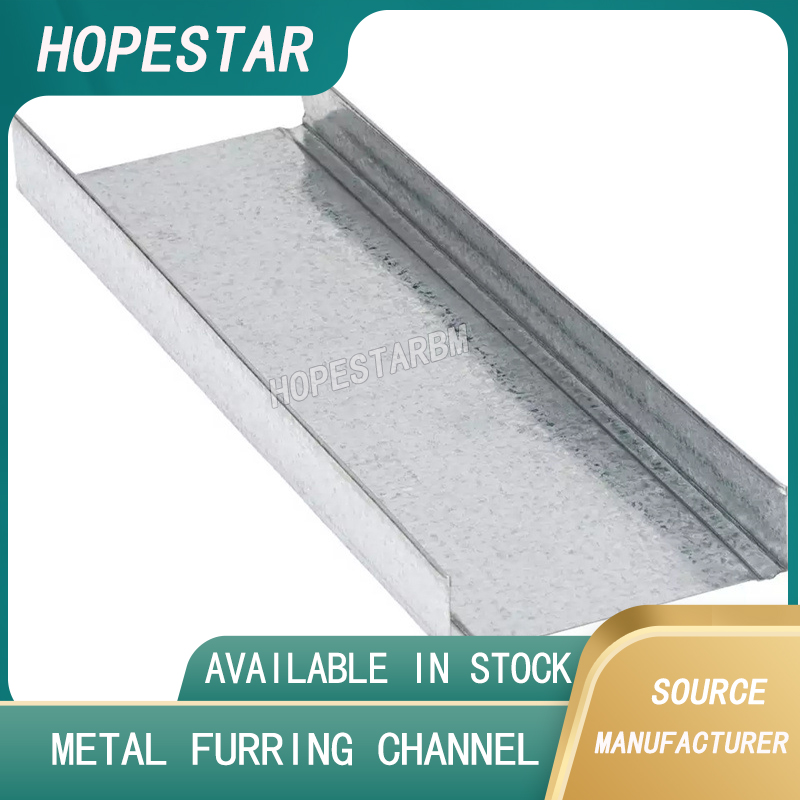
Los perfiles de acero galvanizado son los componentes fundamentales de estructura metálica muy utilizados en la construcción interior moderna. Fabricados mediante conformado por rodillos de acero laminado en frío recubierto con una capa protectora de zinc, los perfiles de acero
Perfiles de acero galvanizado – Estructura laminada en frío confiable para paredes y techos de drywall

El canal de furring metálico para techo es un componente fundamental de estructura secundaria, muy utilizado en sistemas de techos suspendidos y techos de drywall. Fabricado mediante conformado por rodillos de acero galvanizado laminado en frío, este perfil metálico ligero se combina
Canal de furring metálico para techo – Estructura secundaria galvanizada para techos suspendidos de drywall

El canal omega metálico, también conocido como canal de furring omega o canal tipo sombrero, es un perfil de estructura metálica secundario indispensable para techos suspendidos modernos y sistemas de forrado de pared con drywall. Recibe su nombre por su característica forma Ω.
Canal omega metálico – Canal de furring omega galvanizado para estructura de techos y paredes de drywall