
Furring Channel Cad Block Strength
2022-11-25
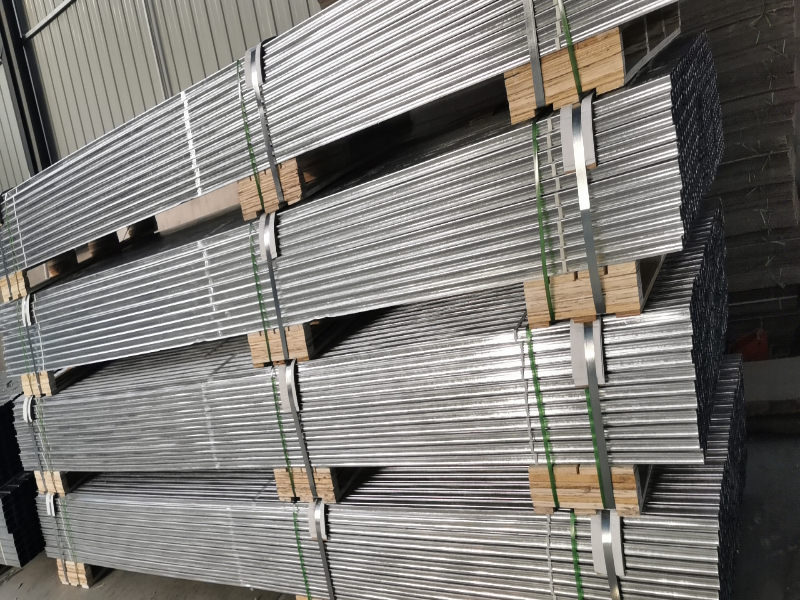
Furring Channel Cad Block Strength.How to Back Block Plasterboard Joints
Hopestar B005 Butt Joint Batten has been developed with the plasterboard industry and provides a consistent recess shape for the finishing of joins when installed as per the plasterboard manufacturer’s recommendation.
Use Hopestar B005 for a faster,more cost-effective joint with greater strength.
Back-blocking is a joint reinforcing system where Hopestar B005 back blocking battens are screwed behind the sheets,at certain joints.Back-blocking is an important safety measure,to reinforce certain joints which often undergo additional stresses and are therefore more vulnerable to cracking.
These stresses can be caused by many reasons,including subsequent building movement or by abnormal loadings such as heavy traffic beside the wall,or trades people moving about in the ceiling spaces.
The consequential cracking of the finished jointing often requires a call-out for warranty repair,which is an avoidable and unwanted additional cost to the installer/builder.
Back blocking is recommended by all plasterboard manufacturers.
The decision as to back blocking of all joints not just the minimum requirement in the Standard is best made by the builder after consideration of factors such as:
Moisture content of timber
Maintenance history for similar installations
Type of roof framing and timber used
Severity of temperature and humidity conditions to which the installation will be subjected
Butt joints which are to be back-blocked must be formed midway between framing members.
Where mid-span butt or end joints are not required but are used to minimize plasterboard wastage,these joints must also be back-blocked.All mid-span joints must be positioned within 50mm of the mid-span point between the framing members.
Let’s grow together.We have advanced production equipment,leading production techniques,and strictly quality control.And We manufacture products from high-quality steel coils,products,and sales service make as your one-stop decoration construction supply shop.Hopestar Building is the senior steel manufacturer,the factory has more than 50 sets of production lines for galvanized steel profiles,T grid,and Accessories.The annual product quantity is 20,000 Tons.The factory has developed business with South America,Europe,Africa,and Oceania.we supply and have a commitment to making customers’projects a reality.
Hopestar B005 Butt Joint Batten has been developed with the plasterboard industry and provides a consistent recess shape for the finishing of joins when installed as per the plasterboard manufacturer’s recommendation.
Use Hopestar B005 for a faster,more cost-effective joint with greater strength.
Back-blocking is a joint reinforcing system where Hopestar B005 back blocking battens are screwed behind the sheets,at certain joints.Back-blocking is an important safety measure,to reinforce certain joints which often undergo additional stresses and are therefore more vulnerable to cracking.
These stresses can be caused by many reasons,including subsequent building movement or by abnormal loadings such as heavy traffic beside the wall,or trades people moving about in the ceiling spaces.
The consequential cracking of the finished jointing often requires a call-out for warranty repair,which is an avoidable and unwanted additional cost to the installer/builder.
Back blocking is recommended by all plasterboard manufacturers.
The decision as to back blocking of all joints not just the minimum requirement in the Standard is best made by the builder after consideration of factors such as:
Moisture content of timber
Maintenance history for similar installations
Type of roof framing and timber used
Severity of temperature and humidity conditions to which the installation will be subjected
Butt joints which are to be back-blocked must be formed midway between framing members.
Where mid-span butt or end joints are not required but are used to minimize plasterboard wastage,these joints must also be back-blocked.All mid-span joints must be positioned within 50mm of the mid-span point between the framing members.
Let’s grow together.We have advanced production equipment,leading production techniques,and strictly quality control.And We manufacture products from high-quality steel coils,products,and sales service make as your one-stop decoration construction supply shop.Hopestar Building is the senior steel manufacturer,the factory has more than 50 sets of production lines for galvanized steel profiles,T grid,and Accessories.The annual product quantity is 20,000 Tons.The factory has developed business with South America,Europe,Africa,and Oceania.we supply and have a commitment to making customers’projects a reality.
Ceiling Batten Sizes Australia Specifications
Top Cross Rail 139 Scope Of Use
Artículo relacionado

El ángulo de pared para techo, también llamado ángulo perimetral o perfil en L, es un perfil metálico en forma de L indispensable para los sistemas de techos suspendidos de drywall. Fabricado mediante conformado por rodillos de acero galvanizado laminado en frío, el ángulo de pared para techo
Ángulo de pared para techo – Remate perimetral en forma de L galvanizado para techos suspendidos de drywall
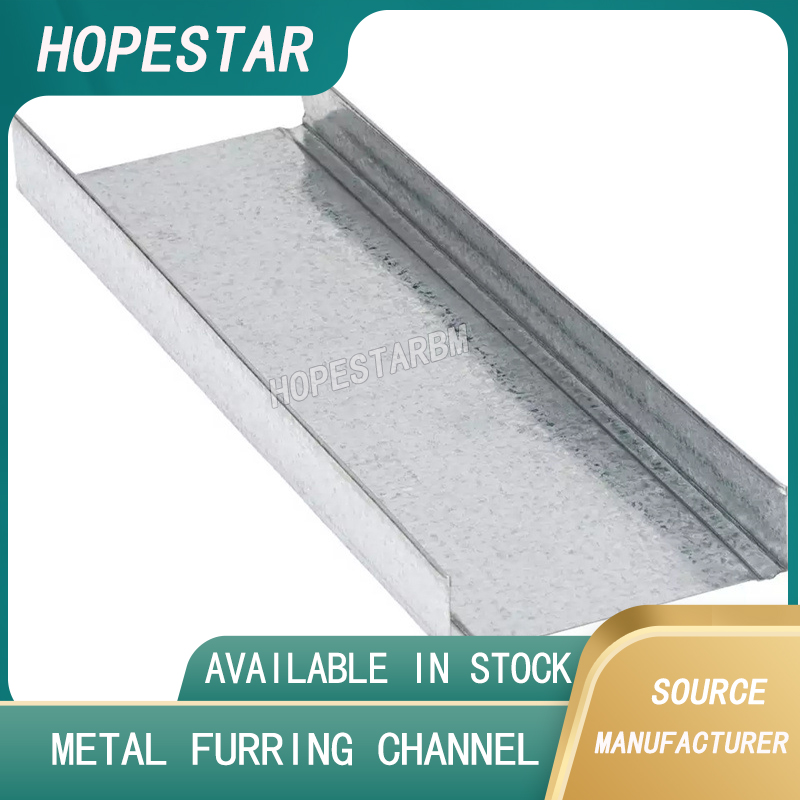
Los perfiles de acero galvanizado son los componentes fundamentales de estructura metálica muy utilizados en la construcción interior moderna. Fabricados mediante conformado por rodillos de acero laminado en frío recubierto con una capa protectora de zinc, los perfiles de acero
Perfiles de acero galvanizado – Estructura laminada en frío confiable para paredes y techos de drywall

El canal de furring metálico para techo es un componente fundamental de estructura secundaria, muy utilizado en sistemas de techos suspendidos y techos de drywall. Fabricado mediante conformado por rodillos de acero galvanizado laminado en frío, este perfil metálico ligero se combina
Canal de furring metálico para techo – Estructura secundaria galvanizada para techos suspendidos de drywall

El canal omega metálico, también conocido como canal de furring omega o canal tipo sombrero, es un perfil de estructura metálica secundario indispensable para techos suspendidos modernos y sistemas de forrado de pared con drywall. Recibe su nombre por su característica forma Ω.
Canal omega metálico – Canal de furring omega galvanizado para estructura de techos y paredes de drywall